A Direct Mail Playbook for Hard-to-Fill Operating Room Nurse Roles

For hospital and health-system talent-acquisition teams trying to fill hard-to-staff operating room nurse roles, direct mail can add a targeted channel beyond job boards and paid search. A strong campaign matches the audience by nursing license, OR-related specialty, and geography, then uses a personalized card, one clear call to action, and QR-code tracking to reach qualified professionals who may not be actively searching.
Who This Operating Room Nurse Direct Mail Playbook Is For
This playbook is for hospital HR teams, nurse recruiters, and talent-acquisition leaders hiring RNs for operating room roles. It is most relevant when an OR requisition has stayed open despite standard recruiting activity, when the qualified local pool is small, when the shift is difficult to staff, or when you need to develop a longer-term surgical-nursing pipeline.
The approach can be planned for one hiring market, several locations, or a broader U.S. rollout. The important starting point is a clearly defined audience and a message that gives that audience a reason to pay attention.
The same framework can also support related needs, including perioperative nurse hiring, surgical-services hiring events, open houses, and future pipeline development. In each case, the audience, offer, and response path should match the actual recruiting objective.
Why Operating Room Nurse Roles Are Difficult to Fill Through Standard Channels
Many experienced operating room nurses are already employed. They may not be searching job boards, setting job alerts, or responding to paid-search advertising. This is the passive-candidate problem: the people you most want to reach may be qualified and open to hearing about the right opportunity, but are not actively looking for one.
A general RN message can be too broad for an OR opening. Perioperative work is specialized, and an operating room nurse should be able to tell quickly that the opportunity is relevant. The message can reflect the surgical setting, the facility, the schedule, and the reason the role may be worth exploring.
When the candidate pool is specialized or geographically limited, simply increasing the visibility of a generic job posting may not change who sees it. More precise audience selection and repeated, relevant exposure can be useful additions to your existing recruiting mix.
Direct mail is not a replacement for every recruiting channel. It is an additional way to reach qualified nurses who may be missed by channels that depend on active job-search behavior.
Define the Operating Room Nurse Audience Before You Design the Card
Audience planning comes before creative design. Start with the license type and role requirements for the opening, then narrow the campaign around OR-related specialty or nursing background and the geography you want to cover.
A staff operating room RN opening should not necessarily use the same audience or message as a perioperative leadership role, surgical-services management position, or another specialized nursing need. Define what makes the requisition distinct before building the campaign.
Make deliberate geographic choices
Geographic scope should follow the role. You may focus on the immediate hiring market, include nearby areas, or reach more broadly when relocation is realistic for the opportunity. A multi-location campaign can use defined audience segments so each location and message remains relevant.
Precision targeting is not a generic mailing list
A targeted recruiting campaign is planned around license type, specialty, and geography. That differs from mailing a broad demographic audience and hoping that a small portion happens to fit an OR vacancy. The goal is to align the recipient group with the role before the card is created.
RecruitCard builds the audience through license, specialty, and geography matching. That focus helps make the mail piece appropriate for the intended OR-related audience rather than for a general healthcare population.
Build the Message Around the Actual Operating Room Opportunity
Lead with the actual opportunity. A card for an operating room RN, perioperative nurse, or surgical-services role should say so plainly. A vague healthcare hiring message makes the recipient work too hard to understand whether the card applies to them.
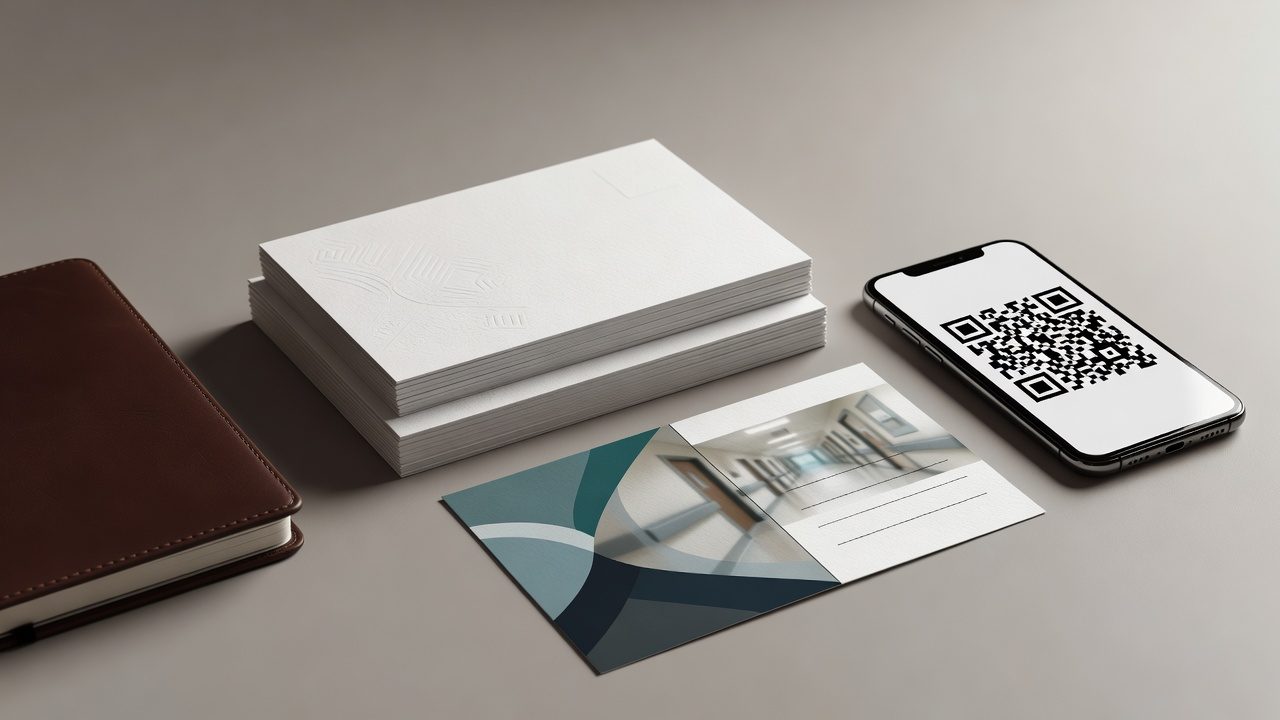
An effective card has four core components:
- The recipient's actual first name. Personalization makes the piece feel directed to a person, not distributed as a generic announcement.
- A specialty-specific message. The copy should speak to the OR or perioperative opportunity rather than to nursing in general.
- Credible employer branding. Use approved employer brand elements so the recipient knows who is reaching out.
- One clear action. Give the recipient a simple next step, supported by a QR code and short URL.
The message angle should be meaningful to the nurses you want to reach. Depending on the role, that may be the surgical setting, the team, the facility, the schedule, professional growth, or the chance to consider a different employer. The card should reflect what the employer is prepared to discuss.
Keep the call to action focused. Ask recipients to learn more, express interest, or begin a conversation. Avoid asking them to choose among several competing actions on one card.
The landing page must fulfill the promise made in the mail piece. If the card invites an OR nurse to learn about a particular opportunity, the response destination should present that opportunity clearly.
Design the Direct Mail Card for Fast Understanding
A recipient should understand four things at a glance: who is hiring, what operating room role is available, why it may be relevant, and what to do next.
Use the recipient's first name as part of the card personalization rather than relying on a generic greeting. Pair the employer logo and approved brand with a concise OR-specific headline and supporting copy that reflects the real opening.
Include one prominent QR code and a short URL. Both should lead to the same focused response destination, giving recipients a clear path whether they prefer to scan or type.
Do not try to put every benefit, qualification, requirement, and open role on the card. Overcrowding can make the main message harder to absorb. Use the card to create relevance and the landing page to provide the details needed for the next step.
Connect the Card to a Focused Landing Page
When practical, send recipients to a landing page built for the operating room nurse opportunity rather than a general careers homepage. A focused page reduces the work required to find the role after a recipient scans the code.
The landing page can include:
- A clear role summary
- The location or locations
- Schedule information the employer is prepared to share
- Relevant qualifications
- Employer and facility information
- A clear next step, such as a short interest form, contact option, or application path
Make the mobile experience a priority. Many recipients will scan the QR code with a phone, so the page should make it easy to understand the role and take action without unnecessary steps.
RecruitCard can support QR-code and landing-page response tracking. This gives your team visibility into scans and landing-page traffic instead of relying only on anecdotal feedback about whether the card generated interest.
Run the Campaign as an End-to-End Process
A direct mail recruiting campaign involves more than selecting an audience and sending a card. RecruitCard manages audience targeting, card strategy and design, employer-brand review, printing, postage, delivery, and response tracking around one recruiting objective.
Before launch, your team should confirm the role details, approve the audience direction, provide approved brand assets, review the creative, and prepare the response destination. These decisions help ensure the card and landing page accurately represent the opportunity.
The process can support one hard-to-fill OR requisition, several locations, or a broader surgical-nursing hiring initiative. Planning details such as campaign scope, timing, and other operational requirements should be discussed for your particular need.
Measure What the Operating Room Nurse Campaign Produces
QR scans and landing-page traffic are direct indicators of engagement with the mail piece. Where the tracking setup allows, your team can connect that activity to the specific OR campaign, audience segment, location, and call to action.
Engagement is not the same as a hiring outcome. A scan indicates that a recipient interacted with the campaign; by itself, it does not prove an application, interview, or hire. Your normal recruiting process should also monitor inquiries, applications, recruiter conversations, and source information.
These observations can guide the next campaign. You may refine the message, geographic coverage, specialty focus, landing-page experience, or pipeline cadence based on what your team learns. The purpose is to make informed adjustments, not to assume a particular response rate or return.
Use Direct Mail for More Than One OR Vacancy
The direct mail model can support more than a single requisition. For example, a surgical-services hiring event or open house can use an event-specific card, landing page, and call to action. The audience still needs to be defined carefully, and the event details should be clear.
You can also build awareness for future hiring needs before a vacancy becomes urgent. A pipeline-oriented message should give recipients a concrete reason to respond, such as learning about the surgical program or starting a conversation with the recruiting team.
For difficult-to-fill nursing specialties, an ongoing pipeline approach may be more useful than treating each mailing as an isolated effort. A campaign can also support multiple locations or a nationwide rollout when the employer has a consistent message and clearly defined audience segments.
Keep each card and landing page relevant to its audience. Combining unrelated nursing roles into one broad message can reduce clarity for the recipient.
When RecruitCard Is a Practical Fit for an OR Hiring Team
RecruitCard is a practical fit when you have a specific OR requisition that is not closing through normal channels, a specialized or geographically limited candidate pool, or a need to reach employed nurses who are not actively job hunting.
RecruitCard's deepest expertise is licensed healthcare hiring. Campaigns are targeted by license type, specialty, and geography, with a managed service that includes creative, printing, postage, delivery, and response tracking. The card can feature your employer brand, the recipient's actual first name, a specialty-specific message, and one clear action.
Recruitment marketing agencies can also offer this channel through a white-label arrangement without building their own print, postage, and QR-tracking operation.
If you want to discuss an OR role, audience, geography, and campaign objective, Book a 15-minute call.
FAQ: Direct Mail for Operating Room Nurse Recruiting
Can you target operating room nurses instead of mailing to all RNs?
Yes. The campaign can be structured around the relevant license type, specialty, and geographic location so the message is designed for the intended OR-related audience rather than a generic RN audience.
How is this different from posting an OR job on a job board?
A job posting primarily depends on active search behavior. Direct mail is designed to reach qualified professionals who may already be employed and not currently looking at job listings. It works best as an additional channel, not as a claim that digital recruiting is unnecessary.
How do we measure whether the card generated interest?
QR scans and landing-page traffic provide trackable engagement signals. Your recruiting team can then connect those signals with inquiries, applications, and follow-up activity in its existing process.
Do you handle the card design, printing, and mailing?
Yes. RecruitCard's managed service covers audience targeting, card design, printing, postage, delivery, and response tracking. The card can include the employer's branding, the recipient's first name, a specialty-specific message, and one clear action.
Can this support a rural OR role, a night-shift opening, or a nationwide rollout?
Yes. The campaign can be planned around difficult locations, shifts, specialties, and geographic coverage. Specific campaign scope and timing should be discussed during planning because no standard turnaround or result should be assumed.
Enjoyed this? There's more from RecruitCard.
Book a 15-minute call →