From EMT to Paramedic: Recruiting for Career-Pathway and Training Programs
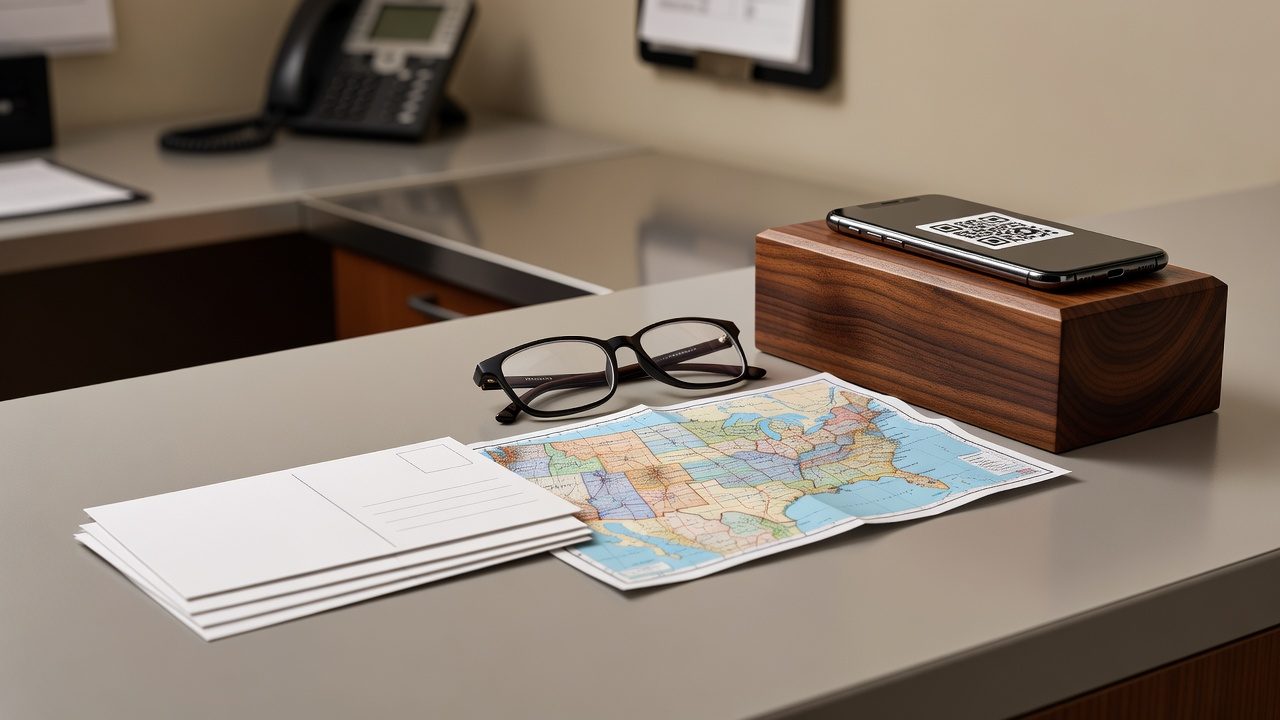
For EMS employers, community colleges, training providers, and health systems, an EMT-to-paramedic pathway can be promoted as a career opportunity, not merely a job opening. RecruitCard helps you reach EMTs through matching by relevant license or certification, specialty or trade, and geography, then directs interested recipients to one clear next step, such as a program page, application, or training-event registration.
Why EMT-to-Paramedic Programs Need a Different Recruiting Approach
An EMT-to-paramedic program is often a future-focused decision. A prospective candidate may be interested in advancement, education, expanded qualifications, or a clearer career path without actively looking for a new job today. That makes the opportunity harder to discover through a standard job-posting strategy alone.
Job boards and paid search are built largely around active intent: people searching for roles, employers, or training at that moment. Many working EMTs are not conducting that search. They may be satisfied in their current position while still being open to a program that offers a meaningful next step.
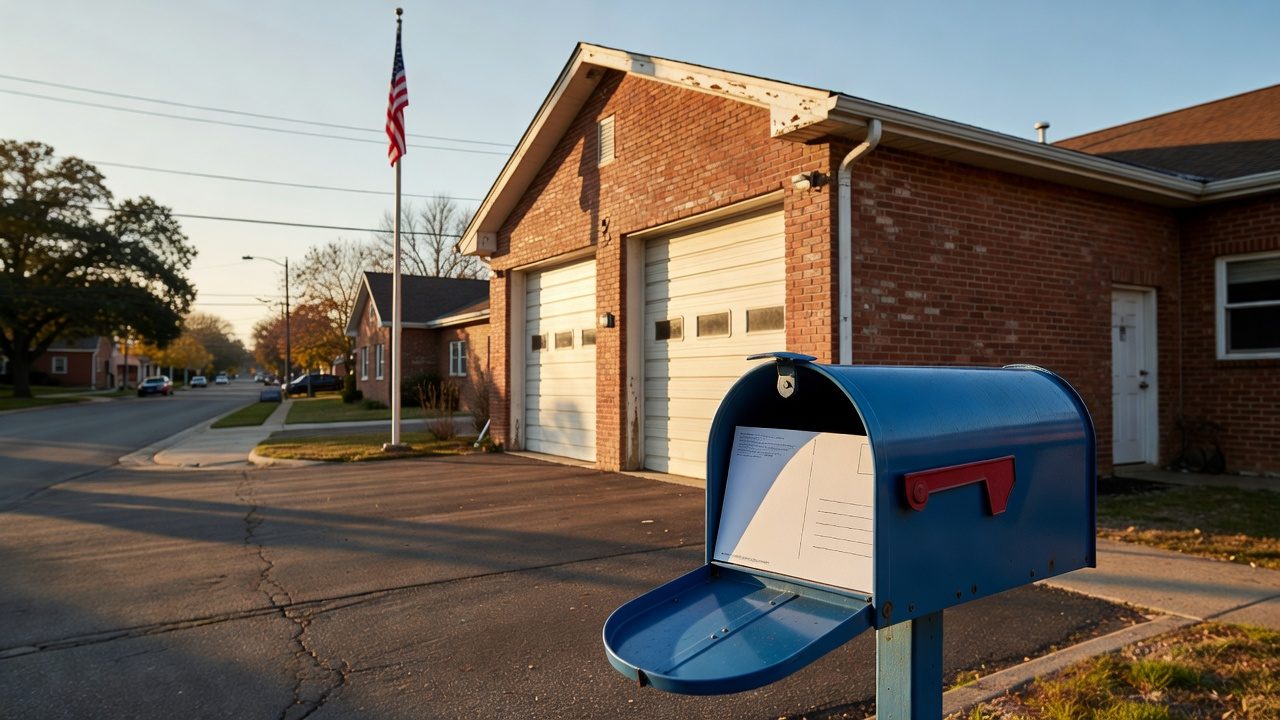
A targeted mail piece can introduce the pathway directly at home, where the message is not competing with a long list of open postings. It can put a specific opportunity in front of EMTs who may not otherwise encounter it.
Direct mail is not a replacement for your admissions process, application system, internal communications, recruiter outreach, or digital channels. It is a complementary way to create awareness among a defined audience and give interested people a simple route to learn more.
Who Should You Reach for an EMT-to-Paramedic Pathway?
The right audience starts with the program itself. Instead of mailing broadly to a general healthcare audience, define who can realistically consider the pathway based on the organization’s eligibility requirements and geographic needs.
Campaign planning can match an audience using characteristics such as:
- EMT license or certification level
- Relevant specialty or trade
- Geographic location
For example, an EMS agency may want to make its own EMT workforce aware of an internal advancement opportunity while also reaching eligible EMTs in its service area. A community college or training provider may want to promote an upcoming cohort. A health system may use the program as part of a workforce-development initiative. An employer may use it to begin building a future paramedic pipeline before a particular opening exists.
Before the campaign is developed, the sponsoring organization should confirm its audience criteria, eligibility language, admissions requirements, and any location limitations. The mailer should accurately reflect the program that recipients will find after they scan or visit the destination page.
What the Mailer Should Communicate
Lead with the pathway, using a clear, program-approved message such as Move from EMT to paramedic. The recipient should quickly understand that the piece is about a training or advancement opportunity rather than a generic healthcare advertisement.
A useful card explains, in plain language:
- What the program is
- Who it is intended for
- Who is sponsoring it
- What the recipient should do next
Candidates may also want details about program format, location, schedule, admissions requirements, funding information, and expected commitments. Include these details only when the sponsoring organization can provide accurate and current information. When the details require more explanation than a card can hold, use the card to send recipients to a focused landing page.
Avoid vague statements about compensation, career outcomes, or guaranteed advancement. A direct and accurate explanation of the opportunity is more useful than a broad promise.
Give the recipient one primary action. That might be scanning a QR code to review eligibility, registering for an information session, submitting an inquiry, or beginning an application.
The Anatomy of an Effective EMT-to-Paramedic Recruitment Card
An effective card stays focused. Its purpose is to earn the next action, not to present an entire program catalog in the mailbox.
Personalized recipient name
Using the recipient’s actual first name makes the message feel direct and relevant. A card addressed to the individual is different from a broad, untargeted healthcare promotion.
Specialty-specific message
Reference the EMT-to-paramedic pathway clearly. The message should speak to the recipient’s current professional context instead of relying on generic hiring language.
Credible employer or program branding
Identify the sponsoring EMS agency, school, health system, or training provider clearly. Incorporate the organization’s employer or program brand so recipients know who is presenting the opportunity.
One clear action
Pair a QR code with a short URL that leads to the intended destination: a program page, event registration, inquiry form, or application page. The destination should continue the same message used on the card.
Campaign Use Cases Beyond a Single Training Cohort
Recruiting for a scheduled information session
Use the campaign to invite qualified EMTs to an orientation, open house, or virtual information event. The landing page can provide event details and a registration path.
Building awareness for a new pathway
Some candidates may not know that a program exists. A targeted card can introduce the pathway and direct EMTs to a page that explains the opportunity, eligibility, and next steps.
Supporting recurring enrollment
For programs that accept candidates on a recurring basis, outreach can support continuing awareness in line with the organization’s enrollment calendar. The message and response destination can be updated as program details change.
Creating a longer-term workforce pipeline
Pathway marketing can begin before an employer has an immediate paramedic vacancy. Building awareness among EMTs gives your organization a way to introduce future advancement opportunities before hiring pressure increases.
Supporting multiple locations
Campaigns can be structured for one market or a broader U.S. rollout. Where appropriate, location-specific messaging can help recipients understand which program site, event, or service area applies to them.
How Targeting Works Without Treating the Campaign Like a Generic Mailing List
Targeted direct mail recruiting is not the same as buying a broad demographic list and sending a general message. The audience is built through matching by license type or certification, specialty or trade, and geography.
For an EMT-to-paramedic campaign, the planning sequence is straightforward:
- Define the pathway and organization-approved eligibility criteria.
- Identify the intended geographic audience.
- Develop a message that accurately presents the opportunity.
- Create a landing page, registration page, or other response destination.
- Send the card and track engagement through the campaign response path.
For instance, a program may need to reach EMTs within a defined service area rather than every healthcare worker in that area. That distinction helps keep the message relevant to the people most likely to consider the pathway.
How to Measure Interest in an EMT-to-Paramedic Campaign
Direct mail response does not have to be a guess. QR-code scans and landing-page traffic provide indicators of engagement with the mail piece.
A dedicated landing page or campaign-specific page makes it easier to associate visits with the outreach. On that page, your organization can track downstream actions it controls, such as:
- Information-session registrations
- Inquiry-form submissions
- Application starts
- Completed applications
Response tracking shows engagement and activity. It does not, by itself, prove enrollment or program completion. Your team’s admissions, recruiting, or follow-up process is needed to understand what happens after the initial response.
Before mailing, align the QR-code destination, form fields, and follow-up workflow. For example, make sure an inquiry reaches the appropriate admissions or recruiting contact and that interested candidates receive accurate information promptly.
What RecruitCard Handles for the Campaign
RecruitCard manages the campaign from audience targeting through response tracking. The service includes targeting, card design, personalization with the recipient’s first name, printing, postage, delivery, and QR-code or landing-page response tracking.
You do not receive only a mailing list and then have to coordinate every production step separately. Your employer or program branding can be incorporated into the card, along with a focused message and one clear call to action.
RecruitCard’s deepest expertise is licensed healthcare hiring. The same targeted direct-mail model can also be applied to other licensed or certified audiences.
Recruitment marketing agencies can use RecruitCard’s white-label option to offer targeted direct mail without building an in-house print, postage, and QR-tracking operation.
When an EMT-to-Paramedic Direct Mail Campaign Is a Good Fit
This approach can be a good fit when:
- You have a specific pathway or training program with a clearly defined audience and geographic area.
- You need to reach EMTs who may not be actively searching for a new opportunity.
- You need awareness for a new cohort, information session, apprenticeship-style pathway, or workforce initiative.
- You want to build a future paramedic pipeline before the next vacancy opens.
- You are prepared with accurate eligibility information, a useful landing page, and a follow-up process for interested candidates.
If you want to discuss the audience, message, and campaign structure, Book a 15-minute call.
FAQ
Can you target EMTs for a specific geographic area?
Yes. Campaign planning can use matching by license or certification, specialty or trade, and geography for a defined market or a broader U.S. rollout.
Can the mailer promote an information session instead of an open job?
Yes. The same model can promote an information session, open house, training opportunity, apprenticeship-style pathway, or application page.
How do we measure whether candidates respond?
Response can be measured through QR scans and landing-page traffic. Additional actions, such as registrations or applications, should be tracked on the destination page and through your organization’s follow-up process.
Do you handle the design and printing?
Yes. RecruitCard’s managed service includes campaign targeting, card design, personalization, printing, postage, delivery, and response tracking.
Can a recruitment marketing agency offer this under its own brand?
Yes. RecruitCard offers a white-label option for agencies that want to provide targeted direct mail without operating their own print, postage, and QR-tracking workflow.
Enjoyed this? There's more from RecruitCard.
Book a 15-minute call →