How Agencies Can Reach Passive Licensed Candidates Without Building a Mail Operation
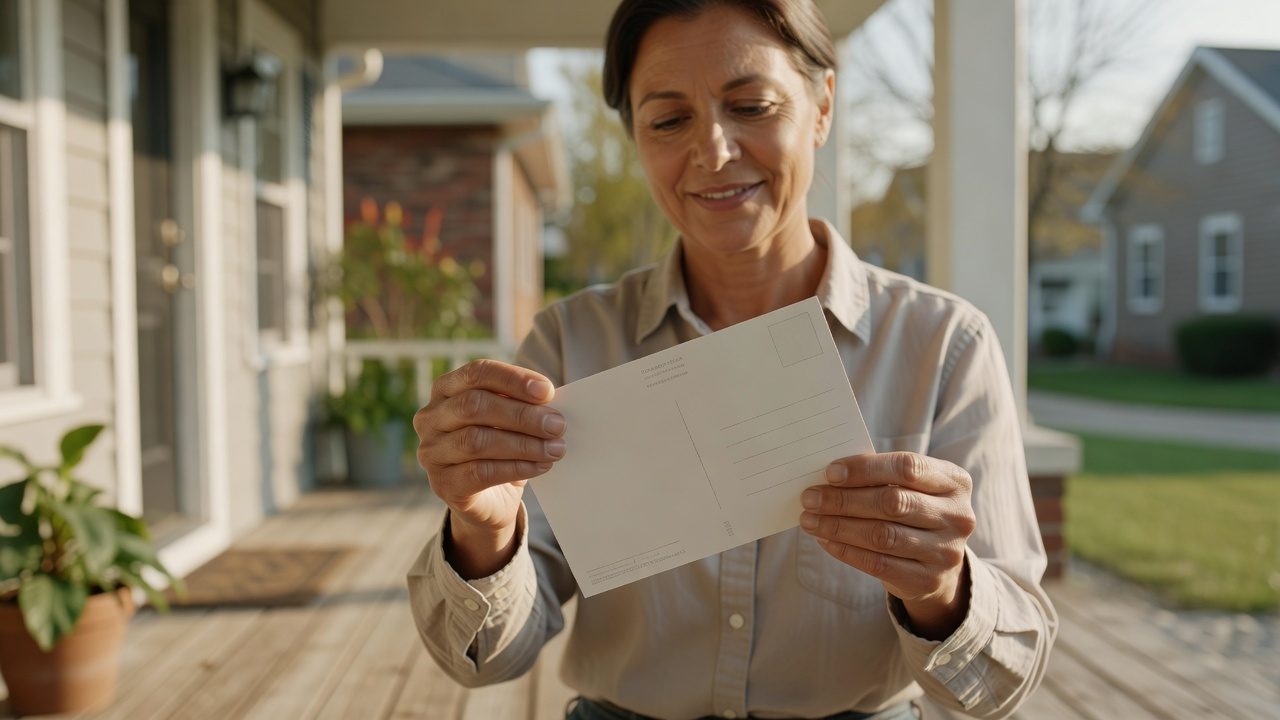
Recruitment marketing agencies can offer personalized direct mail to passive licensed candidates without building an internal mail operation by using a managed, white label service. RecruitCard handles audience targeting by license type, specialty, and geography, along with card creative, printing, postage, delivery, and response tracking. Your agency remains the strategic and client facing partner.
Who this approach is for
This approach is for recruitment marketing agencies that want to add direct mail without hiring a team to manage print production, postage, delivery coordination, and campaign reporting. It is designed for agencies that need an operational partner, not a generic mailing list handoff.
It can be especially relevant when you serve hospitals, health systems, long term care and home care employers, outpatient clinics, dental practices, pharmacy employers, and other organizations hiring licensed or certified professionals. RecruitCard's deepest expertise is in licensed healthcare hiring, including difficult RN and LPN requisitions such as ICU, ED, OR, L&D, oncology, case management, and night shift roles.
The gap between recommending mail and executing it
You may recognize that direct mail is appropriate for a difficult requisition. That recommendation is only the first step. A functioning campaign also requires a defined audience, a usable card, personalization, production, delivery, and a way to measure campaign activity.
Without a managed process, those responsibilities can be divided among separate vendors or added to an already full agency workflow. Audience planning may sit with one party, creative with another, and printing and postage with a third. The result can be extra coordination and unclear ownership.
A white label model lets you add the channel without building an in house mail operation. Your agency can lead client strategy and presentation while RecruitCard manages the operational work behind the scenes.
Why passive licensed candidates need another channel
Job boards and paid search are built around moments when people are actively looking, searching, or responding to recruiting messages. Many licensed professionals are already employed and may not be searching job listings or returning to career sites when you need to reach them.
Direct mail gives you another way to place a relevant opportunity in front of a defined audience outside the normal job search environment. It can be useful when a hospital needs an ICU night shift nurse, a rural clinic needs a physical therapist, a dental practice needs a hygienist, or a home care organization has a continuing caregiver hiring need.
Mail does not replace every digital channel. It gives your agency a distinct way to reach professionals who may be structurally less visible through job boards and paid search.
What precision targeting means for an agency campaign
Precision targeting means the audience is planned around license type, specialty, and geography. It is not a broad demographic mailing or a generic purchased list.
Before creative begins, you and your client can clarify the role, relevant specialty, target locations, and type of candidate the message should address. That planning can support a single market, selected facilities in multiple locations, or a nationwide rollout.
For example, a campaign can focus on a specialty and location rather than sending the same general employment message to a broad local audience. The audience is built from license, specialty, and geography matching, so the campaign starts with a more specific recruiting question.
The four parts of a white label recruiting card
A recruiting card works best when it gives the recipient a clear, relevant reason to act. RecruitCard campaigns bring together four practical components.
Personalized recipient name
The card uses the recipient's actual first name when the campaign is prepared for delivery. This makes the piece feel addressed to a person rather than sent as a general employment announcement.
Specialty specific message
The copy addresses the role, unit, trade, or hiring need. An ICU message should not read like a general nursing message, and a physical therapy campaign should not look like a broad healthcare promotion.
Credible employer branding
The employer's logo, visual identity, and relevant positioning appear on the card. Your agency can help ensure the piece fits the employer brand and the approved campaign message.
One clear action
The card directs recipients to take one next step, typically by scanning a QR code or visiting a short URL. That action can lead to a campaign landing page, an event registration experience, or another destination chosen for the campaign.
In a white label arrangement, you can present this work as part of your agency service while RecruitCard manages the production workflow behind the scenes.
What RecruitCard manages behind the scenes
RecruitCard provides a managed, end to end direct mail recruiting campaign. The operational scope includes:
- Audience planning based on license type, specialty, and geography.
- Card design that combines employer branding, recipient personalization, a role specific message, and one clear call to action.
- Printing, postage, and delivery coordination.
- QR code and landing page response tracking.
- Campaign support for one market, multiple locations, or a nationwide rollout.
This is different from receiving a list and taking on every other campaign task yourself. Your agency can focus on client strategy, approvals, and reporting while using a partner for the mail operation.
How response tracking supports agency reporting
Direct mail activity can be measured through QR scans and landing page traffic. A QR scan is a visit initiated through the code printed on the card. Landing page traffic is the visit activity at the campaign destination associated with the mail effort.
These measures give your agency a way to report campaign engagement rather than relying only on anecdotal feedback. They do not, by themselves, establish hires, cost per hire, or return on investment.
Before launch, agree with the employer on the downstream actions it will monitor after a visit. Depending on the campaign destination, that may include form completions or recruiting conversations. This gives the agency and employer a shared understanding of what the mail campaign measures directly and what the employer will follow after engagement occurs.
How white label workflow fits an agency process
The exact process can reflect your client approval structure. A typical workflow follows these steps:
- Your agency identifies the client, requisition or campaign purpose, specialty, geography, and objective.
- Your agency and RecruitCard align on the target audience and message.
- RecruitCard develops a card concept with employer branding, recipient personalization, a specialty specific message, and a clear action.
- Your agency and client review the creative before production.
- RecruitCard manages printing, postage, and delivery.
- Your agency uses QR scan and landing page traffic information in client reporting.
- Your agency and client use response information to consider adjustments to the message, audience, geography, or campaign purpose.
This structure gives you control over client communication and brand presentation without requiring your agency to operate the production process.
Uses beyond one open requisition
A managed direct mail operation can support immediate hiring needs and longer term awareness goals.
- Hard to fill roles: Reach a defined audience for specialties, shifts, or locations that are not closing through normal channels.
- Hiring events: Invite a relevant licensed audience to an open house, recruiting event, or facility visit.
- Apprenticeship awareness: Introduce a training or apprenticeship opportunity that people may not be actively searching for.
- Ongoing pipeline building: Maintain awareness before the next vacancy opens, especially for recurring or high turnover roles.
- Multi location recruiting: Coordinate outreach across selected facilities, markets, or a nationwide campaign plan.
The core process remains the same. The audience, message, action, and campaign destination change to fit the employer's objective.
When a white label direct mail service is a good fit
Consider this model when your agency wants to add a mail channel without staffing for audience planning, creative production, print coordination, postage, delivery, and tracking. It can be a strong fit when:
- Your client has a specific hard to fill licensed role or a defined recurring hiring need.
- The target audience is narrow enough to benefit from license, specialty, and geography precision.
- You need measurable campaign activity for client reporting.
- You want to maintain the client relationship and your agency's brand presentation while using an operational partner.
RecruitCard has its deepest expertise in licensed healthcare hiring. The same model can also support engineering and skilled trade employers seeking licensed or certified candidates, though healthcare is the company's primary area of stated specialization.
Questions to answer before proposing mail
A useful client conversation starts with campaign decisions, not production details. Ask:
- Which license type, trade, or specialty should the campaign address?
- Which locations or facilities are relevant?
- Is the purpose one requisition, a hiring event, an apprenticeship, or an ongoing pipeline?
- What employer brand elements need to appear on the card?
- What single action should the recipient take?
- Where should the QR code and short URL send the recipient?
- Which campaign activity will your agency report to the client?
- Will your agency present the service under its own brand through a white label arrangement?
Clear answers make it easier to build a focused audience and a card that does not ask the recipient to decipher a general recruiting message.
How to introduce the service to a client
Lead with the recruiting problem. It may be a role that has remained open, a specialty with a small local pool, or an event that needs awareness beyond active applicants.
Then explain why the audience is different from a generic mailing list. The campaign is planned around license type, specialty, and geography. Show the client the four card components: personalized name, specialty specific message, credible employer branding, and one clear action.
Set measurement expectations around QR scans and landing page traffic, not guaranteed hiring results. Explain that RecruitCard manages the mail operation while your agency remains the strategic and client facing partner.
Book a 15-minute call to discuss whether a managed white label campaign fits your agency's client mix and workflow.
Frequently asked questions
Can an agency offer the campaign under its own brand?
Yes. RecruitCard offers a white label option so your agency can add managed direct mail while maintaining your client relationship and presentation.
Does the service provide only a mailing list?
No. The managed service covers audience targeting, card creative, printing, postage, delivery, and QR code and landing page response tracking.
Can an agency target a specialty such as ICU, OR, or physical therapy?
Yes. Campaign planning can be based on license type, specialty, and geography rather than a broad general audience.
How are results measured?
RecruitCard can measure QR scans and landing page traffic associated with the campaign. These measures show engagement and should not be presented as guaranteed hires or return on investment.
Can campaigns support more than one location?
Yes. The model can support single market campaigns, multiple locations, and nationwide rollouts, depending on the campaign plan.
Enjoyed this? There's more from RecruitCard.
Book a 15-minute call →