
How to Recruit Fire Sprinkler Fitters
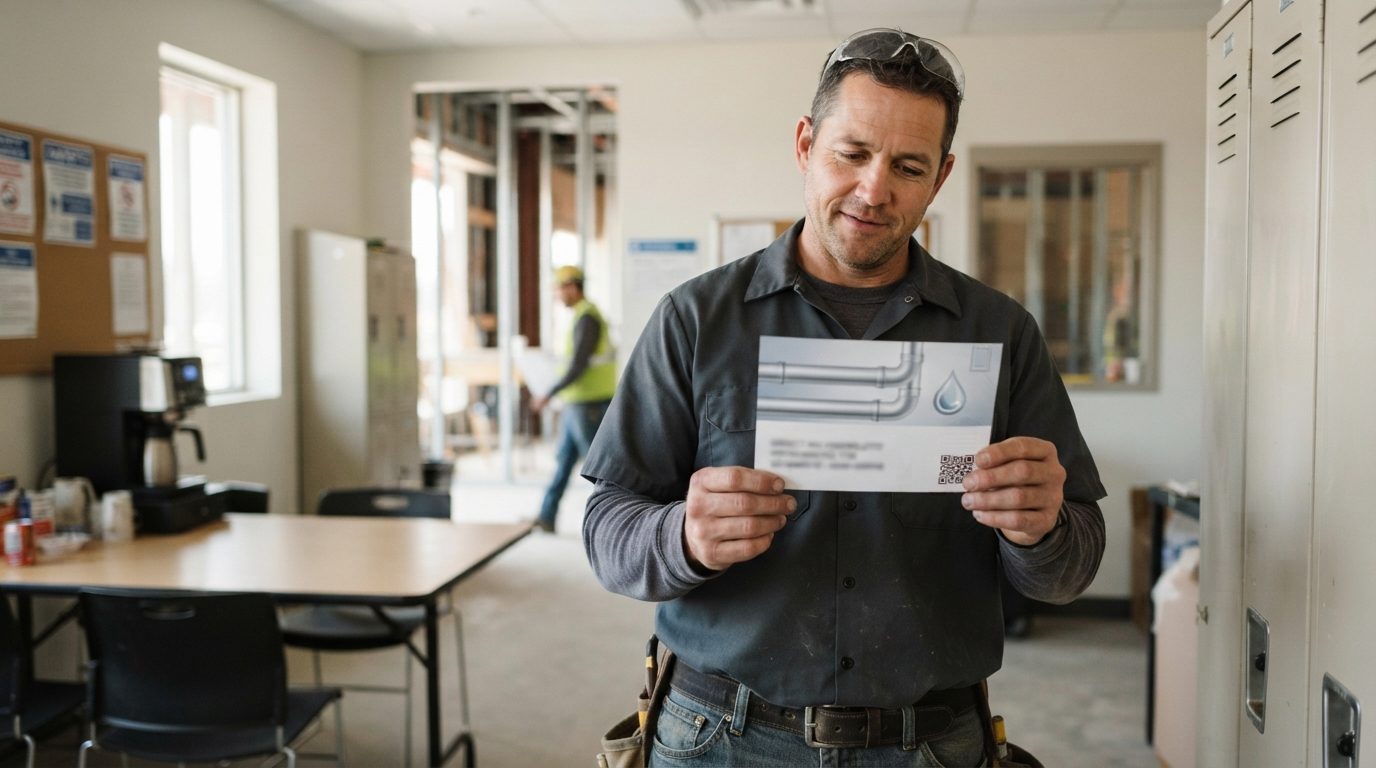
A strong fire sprinkler fitter recruiting strategy starts with the specific role, certification or trade requirements, work geography, and project conditions—not a generic skilled-trades audience. For fire protection contractors, mechanical contractors, construction employers, and recruitment marketing agencies, targeted direct mail can help reach qualified, often-employed fitters for difficult-to-fill openings, ongoing hiring, and pipeline building.
The practical approach is straightforward: define the audience precisely, present a credible opportunity, and use measurable outreach that does not depend only on active job seekers. Requirements can vary by role and jurisdiction, so confirm the qualifications that apply to your opening before building an audience or writing the message.
Why Fire Sprinkler Fitter Recruiting Requires Precision
Fire sprinkler fitter hiring can become difficult when the local pool is limited, the work calls for particular project experience, or the role includes travel, a specific schedule, or demanding site conditions. An experienced fitter may also be currently employed and not watching job boards when your project needs staffing.
A broad construction recruiting campaign can put an opportunity in front of many people who do not have relevant fire protection experience, cannot work in the target area, or are not suited to the schedule. Precision matters because the role is not simply “construction.” It is a defined trade position with conditions that need to be clear from the first message.
Do not assume that every fire sprinkler fitter holds the same license or certification in every part of the United States. Credential, safety-training, and work-rule expectations can be role- and location-dependent. Review the requirements for the state, locality, project, and employer before recruiting.
What Fire Sprinkler Fitters Do
A fire sprinkler fitter is a skilled tradesperson who installs, assembles, maintains, or repairs fire sprinkler and related fire protection systems, depending on the employer and role. Daily responsibilities vary by project, system type, employer, and level of responsibility.
Before you recruit, turn the job into a description a qualified person can recognize quickly. “Fire sprinkler fitter wanted” leaves important questions unanswered. A more useful message explains the actual work and the environment around it.
Details to clarify in the job offer
- Whether the role centers on installation, maintenance, service, layout, fabrication, or a mix of responsibilities.
- The project setting, such as commercial construction, industrial work, retrofit work, service calls, or a particular type of facility.
- The expected work geography, including a fixed local market, multiple locations, or travel.
- Schedule expectations, shift requirements, and any project-specific working conditions.
- Whether the opening is for a fitter, service technician, foreperson, project lead, or another position.
- Required experience, safety training, credentials, and any jurisdiction-specific requirements that apply to the role.
These details improve both audience definition and candidate experience. They help recipients decide whether the role is worth exploring before they scan a code or begin a conversation.
Why Conventional Recruiting Channels Can Miss Fire Sprinkler Fitters
Job boards and paid search are useful recruiting channels, but they primarily depend on people who are actively searching, applying, or clicking on employment-related ads. That leaves a gap when the fitter you want is working on another project and has no reason to visit job listings that week.
Direct mail is a complementary channel for this situation. A targeted card reaches a person at home rather than asking that person to first enter an online job-search environment. It gives you a way to present a relevant opportunity to qualified professionals who may not respond to a posting.
This does not mean referrals, trade networks, job boards, and digital outreach should be discarded. Those channels can remain part of the recruiting mix. Direct mail is most useful when normal efforts are not closing a role, when the audience must be defined more narrowly, or when you need awareness beyond active job seekers.
Define the Fire Sprinkler Fitter Audience Before You Recruit
Start with the exact opening. A fitter, service technician, foreperson, layout or fabrication specialist, and project lead may share trade knowledge but have different experience requirements and motivations. One message should not try to cover every possible role unless you are intentionally building a broader pipeline.
Build a practical audience definition
Define the audience by the relevant trade or specialty and geographic location. Then document the real conditions that affect whether a candidate is a fit.
- Commercial, industrial, retrofit, new-construction, or service background.
- Installation work versus maintenance or service experience.
- Project location and reasonable travel expectations.
- Schedule, shift, and site requirements.
- Whether supervisory or leadership experience is essential.
- Credentials, safety training, and employer requirements applicable to the opening.
Separate essential requirements from preferences. If every preference is presented as mandatory, you can unnecessarily narrow the audience and discourage people who could succeed in the role. At the same time, do not hide genuinely required conditions. A night schedule, extensive travel expectation, or specific project environment should be clear.
Review license and certification expectations for the specific state, locality, project, and employer. Requirements should be treated as location- and role-specific, not as a single nationwide assumption about the trade.
How Targeted Direct Mail Can Support Fire Sprinkler Fitter Hiring
A targeted direct mail campaign is built around trade or specialty and geographic location rather than a generic demographic mailing. For fire sprinkler fitter recruiting, that means beginning with the actual work and market you need to cover instead of mailing broadly to construction workers.
This approach can support a requisition that has remained open despite normal recruiting activity. It can also support recurring hiring when you routinely need fitters across projects, service territories, or locations. Campaigns can be organized for a single market or a broader nationwide rollout, depending on the audience and opportunity.
Direct mail should complement—not necessarily replace—referrals, trade relationships, job boards, and other recruiting efforts. Its value is in giving a precise opportunity a distinct path to passive candidates who may not be looking for it online.
The Anatomy of a Fire Sprinkler Fitter Recruiting Card
A recruiting card should make one relevant opportunity easy to understand and easy to act on. RecruitCard’s stated card approach has four parts: a personalized name, a specialty-specific message, credible employer branding, and one clear action.
Personalized name
Addressing the recipient by their actual first name makes the piece more relevant than a generic recruiting mailer. Personalization should support a clear, professional message rather than replace useful job information.
Specialty-specific message
Speak directly to fire sprinkler fitting work. Identify the role type and the details that distinguish it: project setting, work location, installation or service focus, travel expectation, schedule, or leadership responsibility. Avoid broad construction language that could apply to almost any trade.
Credible employer branding
The card should show who is hiring and what type of work is available. Use the employer’s brand consistently and present the opportunity plainly. A recipient should not need to guess whether the card concerns a legitimate employer, staffing partner, project, or hiring event.
One clear action
Use a QR code and short URL that lead to one focused next step. That might be a role landing page, an information request, an event registration page, or a conversation form. Do not crowd the card with competing actions that make the recipient decide among several links and contacts.
Keep the message concise. State the role, location or market, defining conditions, and next action. The card should create enough clarity and interest for the recipient to take the next step, not attempt to reproduce a full job description.
What to Put on the Landing Page
The landing page should continue the conversation started by the card. Do not send recipients to a general careers page where they must search for the fire sprinkler fitter opportunity again.
Essential landing-page content
- A clear role title and brief explanation of the work.
- The work location or locations and an honest explanation of travel expectations.
- The relevant project type, work environment, and schedule information.
- Required experience and credential expectations where applicable.
- A simple next step, such as a short inquiry form or contact path for an initial conversation.
The call to action on the page should match the call to action on the card. A passive candidate may want to ask a question before completing a formal application, so choose a contact path that fits the campaign goal.
Only include compensation, hiring-result, or timeline statements when your organization has approved and supplied them. Clear role information is more important than unsupported promises.
How to Measure a Fire Sprinkler Fitter Direct Mail Campaign
Mail recruiting does not have to be unmeasurable. QR-code scans and landing-page traffic can show engagement generated by the campaign. These signals help you see whether recipients are taking the intended next step.
They do not, on their own, prove a hire or return on investment. A scan is an indication of interest in the mail piece, and a landing-page visit is an indication that the recipient reached the campaign destination. Your internal follow-up and recruiting process determine what happens after that interest is expressed.
Agree on follow-up before the campaign launches
- Identify who will review inquiries and landing-page submissions.
- Set a clear internal owner for candidate follow-up.
- Make sure the contact path is monitored.
- Decide what information your team needs to begin a conversation.
- Review campaign activity to refine the audience, message, geography, or call to action for future outreach.
For recurring needs, these observations can help make later campaigns more focused. Measurement supports decision-making; it should not be presented as a guarantee of a particular hiring outcome.
Recruiting for One Opening Versus Building a Fitter Pipeline
The message should change according to the hiring objective. A single hard-to-fill opening calls for specificity. A recurring need calls for a durable invitation to learn about current and future work.
One hard-to-fill opening
Focus the card and landing page on the exact project or role. Explain the location, schedule, work type, travel conditions, and essential qualifications. This helps candidates self-select based on the real opportunity.
Recurring project hiring
For ongoing demand, an evergreen pipeline message can invite qualified fitters to learn about current and future opportunities. The message should still identify the trade, likely markets, and kinds of work involved. “Future opportunities” should not become a vague catchall.
Multiple locations, events, and relocation-sensitive roles
For multiple markets, organize the landing page so available locations are easy to understand without making the card confusing. For a hiring event or open house, make the event the single action: register, request information, or view details.
If a role may appeal to someone willing to relocate, describe the location and opportunity honestly. Do not assume every recipient is open to relocation or use vague language that conceals where the work is based.
Common Mistakes in Fire Sprinkler Fitter Recruiting
- Mailing to a broad construction audience. Define the fire protection trade, role, and market instead of treating all construction experience as interchangeable.
- Using a generic job description. Explain the project type, geography, travel, schedule, and daily work so the recipient can evaluate the fit.
- Assuming uniform credential rules. Review the requirements that apply to the particular state, locality, project, employer, and role.
- Giving recipients too many actions. Choose one next step rather than several competing phone numbers, job links, and event links.
- Sending traffic to a general careers page. Give fitters a focused destination with the information promised by the card.
- Treating mail as a generic purchased list. A recruiting campaign should be built around trade or specialty and geography, with a relevant employer message.
- Failing to track or follow up. Monitor QR scans and landing-page traffic, and ensure interested recipients have an accountable follow-up owner.
What an End-to-End RecruitCard Campaign Includes
RecruitCard runs managed direct mail recruiting campaigns for employers and recruitment marketing agencies. Its stated positioning is precision targeting, full-service execution, personalization, and measurable campaign activity.
- Audience targeting by trade or specialty and geographic location.
- Card strategy and design using your employer brand, the recipient’s actual first name, a specialty-specific message, and one clear call to action.
- Printing, postage, and delivery management.
- QR-code and landing-page response tracking.
- Support for a focused local campaign or a broader nationwide rollout.
- A white-label option for recruitment marketing agencies that want to offer direct mail without building their own print, postage, delivery, and tracking operation.
RecruitCard’s deepest stated expertise is licensed healthcare hiring. The same targeted direct mail model is also available to engineering and skilled-trade employers seeking licensed or certified candidates, including fire sprinkler fitter recruiting where the role and audience are clearly defined.
Is Direct Mail a Fit for Your Fire Sprinkler Fitter Hiring Need?
Direct mail may be a strong fit when you have a specific fitter requisition that is not closing through normal channels, a small qualified local pool, a recurring project hiring need, or an agency that wants to add a direct-mail channel for a client.
It may be less suitable when the role, location, requirements, or employer message are still unclear. Targeted outreach works best when there is a concrete opportunity behind it.
Quick readiness checklist
- Confirmed role and work scope.
- Defined target geography.
- Clarified essential qualifications and role-specific conditions.
- Reviewed applicable credential expectations for the role and location.
- Approved employer message and branding.
- Focused landing-page destination.
- Named owner for candidate follow-up.
RecruitCard does not position a campaign as a promise of a response rate, hire count, cost per hire, or return on investment. Its position is that precise targeting, personalized outreach, managed execution, and QR-code and landing-page activity tracking provide a structured way to reach and assess interest from a defined audience.
Recruit Fire Sprinkler Fitters With a Clearer Outreach Plan
Recruiting fire sprinkler fitters works best when outreach is specific to the trade, role, geography, and employment conditions. A credible message, one clear next step, and measurable response activity give your team a more disciplined alternative to broad skilled-trades recruiting.
If you are hiring for a hard-to-fill opening, recurring pipeline, hiring event, or multi-location need, RecruitCard can help you discuss whether a targeted direct mail campaign fits the opportunity. Schedule a consultation.
Enjoyed this? There's more from RecruitCard.
Book a 15-minute call →