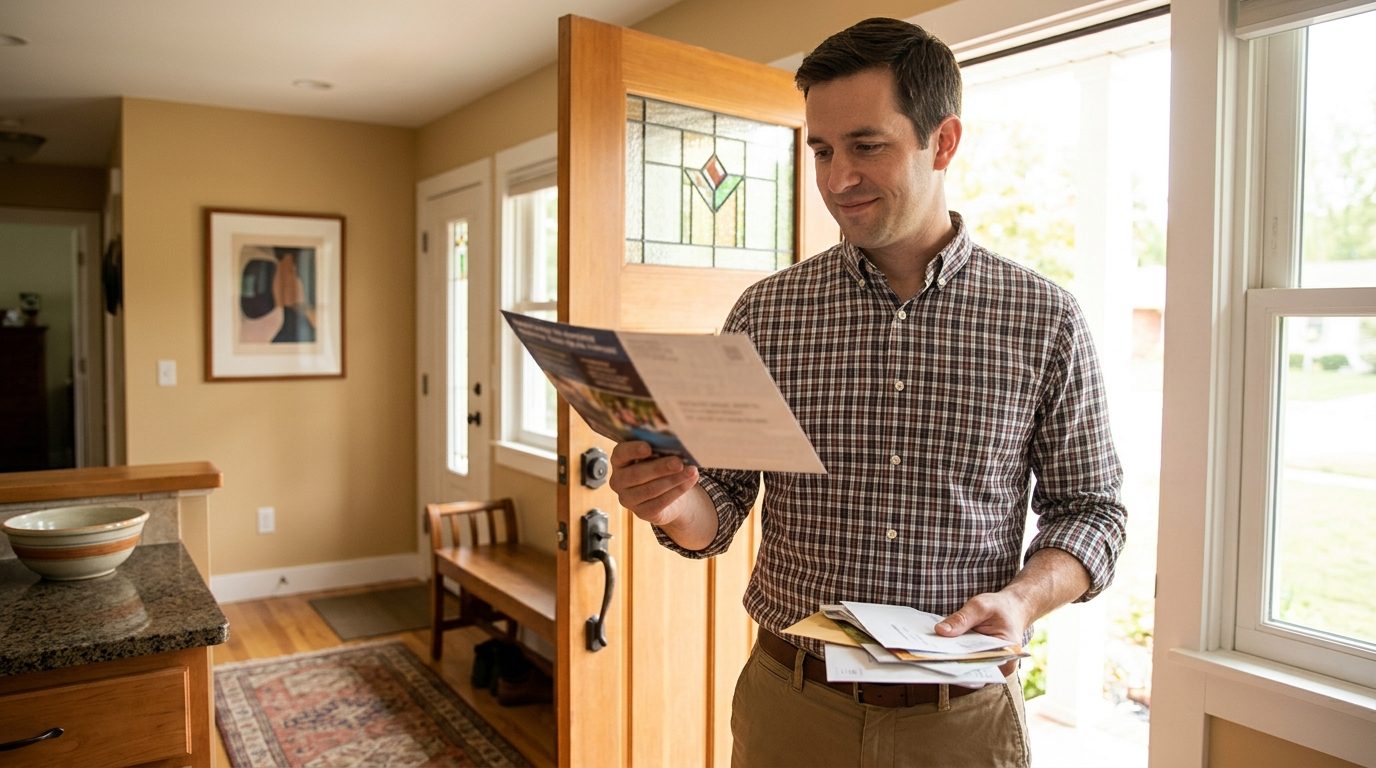
The ICU Night Shift Candidate Is Not Browsing Your Careers Page

For hospital and health system talent acquisition teams, an ICU night shift search can stall when broad RN promotion reaches people who do not fit the role. The strongest prospects may already be employed, licensed for the work, experienced in critical care, within a practical commuting area, and not actively browsing your careers page. A focused campaign considers license, specialty, shift, and geography together so the message reaches a narrower, more relevant audience.
Why Broad RN Promotion Misses ICU Night Shift Candidates
An RN audience is much larger than the audience for one ICU night shift opening. A general careers page, job board listing, or paid search ad can be useful for people who are actively looking. Each depends, however, on a candidate choosing to search, seeing the listing, and deciding that the role is relevant.
Many qualified critical care professionals are not in that process. They may be working in another hospital, focused on their current schedule, or simply not visiting employer career sites. That does not mean they would never consider a relevant opportunity. It means a general job promotion may not reach them at the moment it matters.
There is also a message problem. “Hiring RNs” is broad. “ICU night shift opportunity for critical care professionals” gives a qualified recipient a faster way to decide whether the role deserves attention. The difference is not just wording. It reflects a more specific audience and a more specific hiring need.
The Narrow Intersection Behind a Strong ICU Audience
A useful ICU audience is not defined by one characteristic alone. It is the intersection of four filters.
License
Start with the licensed professional group required for the position. This keeps the campaign centered on people whose professional background is relevant, rather than on a broad healthcare audience.
Specialty
General RN experience and ICU or critical care experience are not interchangeable when the unit requires critical care familiarity. Specialty helps distinguish the audience for an ICU role from a broader nursing population.
Shift
Night shift should be visible from the start. It should not be presented as a minor detail a candidate discovers after taking time to explore the opportunity. Schedule fit can shape whether a professional considers a role, so it belongs in both the planning and the message.
Geography
Geography defines the intended local area for the role. It helps focus the campaign on people who may be within a practical commuting range. In some situations, an employer may also want to consider professionals who could relocate for the right opportunity.
These filters are most useful when considered together. A campaign for licensed professionals in a broad area is not the same as a campaign planned for the relevant license, critical care specialty, night shift, and intended geography.
Why ICU Night Shift Requires a Different Message
Critical care professionals evaluating an opportunity may consider schedule fit, the unit environment, the nature of the role, and the credibility of the employer. A mail piece cannot answer every question. It can make the role clear enough for the right recipient to consider a next step.
Name the ICU or critical care setting directly. Name the night shift directly. Identify the hospital or health system clearly. This approach respects the recipient's time and reduces the chance that the message feels like a general nursing advertisement.
The message should give the reader a reason to learn more without making unsupported promises about pay, workload, culture, or hiring outcomes. It should then present one clear action, rather than several competing options.
The Four Parts of a Focused Recruiting Card
A focused recruiting card has four practical components. Each supports the same role specific message.
Personalized name
Using the recipient's actual first name makes the card feel intended for a professional, not sent as broad, impersonal promotion.
Specialty specific message
The message can speak to ICU or critical care experience and identify the night shift opening. It should help recipients recognize quickly why the opportunity may be relevant to them.
Credible employer branding
The hospital or health system should be clear on the card. Consistent employer branding helps recipients understand who is hiring before they choose whether to respond.
One clear action
A QR code and short URL can lead to a focused landing page or next step. The card works best when it does not overwhelm the recipient with unrelated openings, excessive employer information, or multiple calls to action.
How Targeting Differs From a Generic Mailing List
Direct mail recruiting is not simply a generic postcard sent to a purchased demographic list. RecruitCard campaigns are planned around license type, specialty, and geographic location. The aim is precision, not a mass mailing to every healthcare professional in an area.
For an ICU night shift role, that distinction matters. The campaign planning begins with the hiring requirement and works toward the audience and message. It does not begin with a broad category and hope that the right candidates sort themselves out.
What the Campaign Experience Includes
RecruitCard manages an end to end direct mail recruiting campaign. The process includes audience targeting, card design, employer branding, personalized recipient names, printing, postage, delivery, and response tracking.
You do not receive only a list and then have to manage creative, production, and mail delivery on your own. The card can be built around one focused requisition, a recurring hiring need, or a broader initiative. RecruitCard supports single market campaigns and nationwide rollouts based on the hiring need.
Recruitment marketing agencies can also offer the service through a white label arrangement, without building their own print, postage, and QR tracking operation.
How to Measure Interest From the Campaign
A QR code gives a recipient a direct path from the card to the campaign landing page. QR scans and landing page traffic provide measurable indicators of activity connected to the campaign.
The landing page should continue the same ICU night shift message shown on the card. For example, it can identify the unit, schedule, location, employer, and the next action a candidate should take. Consistency from mailbox to landing page makes the experience clearer for the recipient.
Tracking measures campaign activity and interest. It does not by itself guarantee applications, interviews, hires, or return on investment.
When This Approach Fits an ICU Hiring Need
A targeted direct mail campaign may fit when normal recruiting channels are not closing a specific ICU night shift requisition. It can be particularly relevant when the qualified local pool is limited and many potential candidates are already employed.
- You need a focused message for one ICU unit rather than general employer awareness.
- The night shift requirement needs to be clear before candidates take the next step.
- You want to reach licensed professionals who may not be actively searching for a new role.
- You have recurring critical care hiring needs and want to support a longer term pipeline.
How to Extend the Model Beyond One ICU Requisition
The same structure can support other difficult healthcare hiring needs when the audience and message are adjusted. Examples include ED, OR, L&D, oncology, and case management roles. The key is to match the relevant license, specialty, geography, and role details rather than reuse a generic nursing message.
The model can also support awareness campaigns. A hiring event or open house may need a clear invitation directed to a relevant professional audience. An apprenticeship or training program may need awareness because qualified prospects cannot search for an opportunity they do not know exists.
For employers with continuing demand, recurring campaigns can support longer term pipeline building before the next vacancy opens.
Planning Questions Before You Launch
Clear decisions at the start help keep the audience, card, and landing page aligned.
- Which license type is required for the role?
- What specialty or unit experience matters most?
- Is the role tied to nights, weekends, call, or another schedule requirement?
- What geography defines a practical audience for this position?
- What should the recipient do after scanning the QR code?
- Will the campaign promote one requisition, a hiring event, a program, or an ongoing pipeline?
- Who will approve the employer branding, card message, landing page, and response process?
A More Focused Way to Reach ICU Night Shift Talent
A broad RN message can miss the professionals most likely to fit an ICU night shift role. Targeted direct mail offers one way to reach passive, already employed licensed professionals outside the usual job search path.
RecruitCard acts as a full service campaign partner for audience targeting, personalization, card production, delivery, and response tracking. If you are planning an ICU night shift search, a conversation can begin with the role's license, specialty, schedule, and geography. Book a 15-minute call.
Frequently Asked Questions
Can you target ICU nurses instead of mailing to all RNs?
A campaign can be planned around the relevant license type, specialty, and geography. This allows the message to focus on the ICU audience rather than a broad RN segment.
Can the card mention the night shift directly?
Yes. The specialty specific message can make the shift requirement clear so recipients understand the opportunity before they take the next step.
Can this reach nurses who are not actively job hunting?
The campaign is designed to reach passive, already employed licensed professionals who may not be browsing job boards or career pages.
Can you support a campaign for several hospitals or a nationwide hiring effort?
RecruitCard supports single market and nationwide rollouts. The audience and creative can be planned around the locations and role requirements.
How do we know whether people responded?
QR scans and landing page traffic provide measurable indicators of campaign activity. The landing page should connect directly to the ICU night shift message and its call to action.
Enjoyed this? There's more from RecruitCard.
Book a 15-minute call →