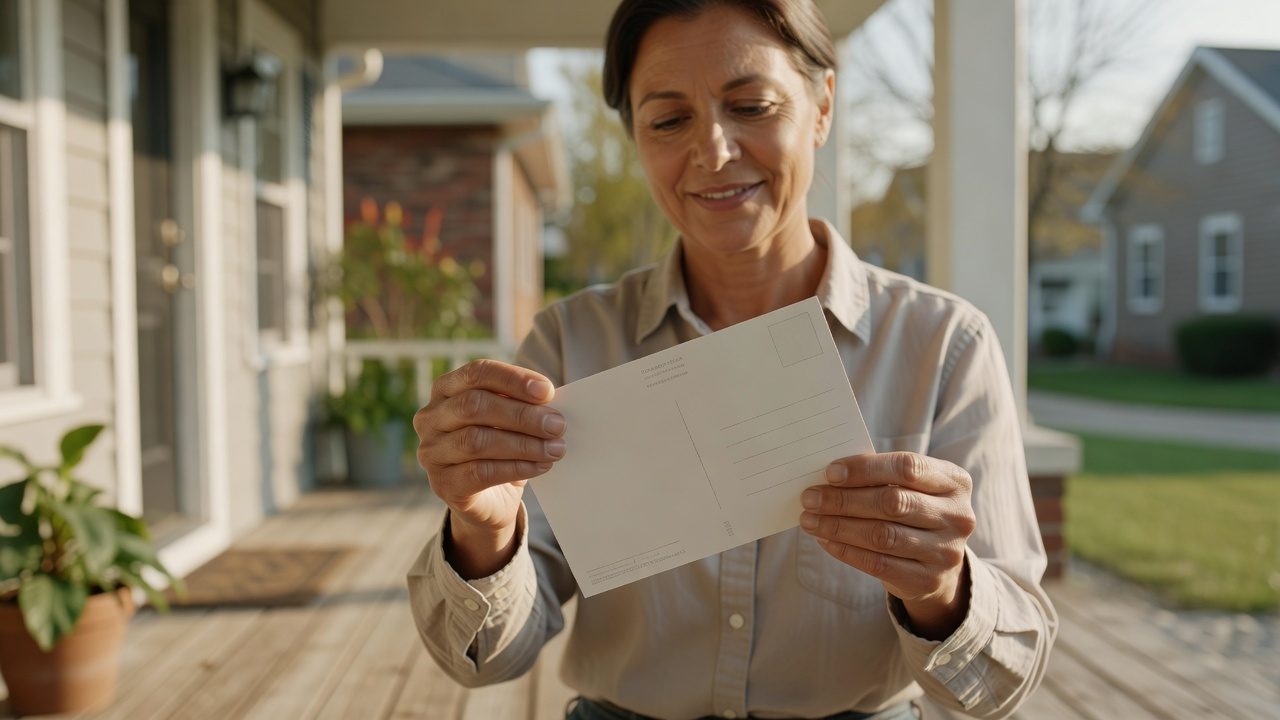
Apprenticeship Awareness: Reaching People Who Don't Know the Program Exists

Direct mail introduces apprenticeship programs to already employed licensed professionals who are not searching for training opportunities. It uses license type, specialty, and geography targeting to deliver a personalized message that explains the program and prompts further interest.
- Build the audience from license, specialty, and geography matching, not a generic mailing list.
- Mail a card with the recipient's first name, a specialty relevant hook, employer branding, and one clear action.
- Measure interest with QR scans and landing page traffic, especially around application windows.
- Use the same model for hiring events, new facilities, and multi location program launches.
Targeting for awareness instead of immediate hires
You build the audience from license and specialty matching tied to the geographic area where the program operates, even when no requisition is open yet.
Hospital and health system talent teams often need people who already hold a related license and are employed. Those professionals rarely search job boards for an apprenticeship they do not know exists. Precision targeting by license type, specialty, and geography reaches that pool at home instead of waiting for them to look.
Related credentials, not only the exact title
Include candidates who hold related credentials when those credentials are a realistic path into the program. The purpose shifts from filling one requisition to starting a pipeline before the next vacancy or class start.
The same precision, a different goal
The approach matches the one used for roles that will not close (night shift, rural sites, niche specialties). The difference is intent: awareness and pipeline, not an immediate start date.
Crafting the card message for program introduction
The card should put the recipient's actual first name next to the apprenticeship name and a short description of what the program offers.
RecruitCard's anatomy of the card has four parts: personalized name, specialty specific message, credible employer branding, and one clear action (QR plus a short URL). For awareness, the specialty hook should connect current work to the training path rather than listing every job duty.
One action, not a crowded card
Feature your logo and employer brand so the piece looks like a serious invitation, not a flyer. Send people to a landing page with program details, eligibility, and next steps. Do not ask the card to close an application by itself.
If you are launching an apprenticeship candidates cannot find on a job board, book a 15-minute call to talk through an awareness mailing for your license, specialty, and geography.
Measuring interest from an awareness campaign
You measure interest by QR code scans and landing page visits, not by guessing from mailbox delivery alone.
Watch volume and timing relative to application windows. Awareness often shows as people reading the page before they apply. Use that traffic to refine later mailings or to support other channels, without treating day one applications as the only signal.
When awareness campaigns fit your goals
This approach fits time bound programs that candidates cannot discover through a standard job search.
It also supports hiring events, open houses, new facility openings, and apprenticeship launches that need broad yet targeted reach. The same full service model (targeting, design, print, postage, delivery, and response tracking) can cover a single market or a nationwide rollout when the program spans several locations. Recruitment marketing agencies can offer the channel under a white label if they do not run print and postage in house.
Next step
If you need licensed professionals to learn a program exists before they would ever search for it, book a 15-minute call to discuss an awareness campaign.
Frequently asked questions
How do you reach candidates who might not be looking for training?
Mail to licensed professionals at home with a message that names the program, explains why it fits their specialty, and points to one place to learn more.
Can the same list serve both awareness and hiring?
Yes. The audience is built from the same license, specialty, and geography criteria. The card copy and landing page change with the goal.
What happens after the card arrives?
Recipients who want details scan the QR code (or use the short URL) and land on a page with program information and next steps. Scans and page visits are the campaign's measurable response.
Is this suitable for nationwide rollouts?
Yes. Campaigns can stay in one market or cover multiple locations when the program does.
Is this the same as buying a generic mailing list?
No. Targeting is by license type, specialty, and geography, with a personalized first name and a managed print through tracking workflow, not a list handoff.
Sources
Enjoyed this? There's more from RecruitCard.
Book a 15-minute call →