How Do You Reach Licensed Nurses Who Are Not Looking at Job Boards

Licensed nurses who are already employed rarely appear in job board searches. You reach them by sending personalized mail that matches license type, specialty, and geography so the message arrives at their homes.
- Job boards and paid search mainly reach people who are actively searching right now.
- Employed nurses in units such as ICU nights or oncology stay outside that pool.
- License type, specialty, and geography matching puts a named card in the mailbox, not a generic list.
- QR scans and landing page traffic show which segments responded.
- The same model can support hiring events, apprenticeship awareness, and pipeline building, not only one requisition.
The Structural Visibility Gap in Digital Recruitment
Digital recruitment channels only connect with nurses who are looking right now, so already employed licensed nurses stay out of view.
Job boards and paid search work when someone types a query, uploads a resume, or clicks an ad. That is useful for active seekers. It is a poor fit for nurses who already hold a license, already have a unit assignment, and are not browsing openings after a shift.
Hospital talent acquisition teams feel this most on roles that will not close through normal channels. Night shift, rural sites, ICU, ED, OR, labor and delivery, oncology, and case management often draw from a small local pool that is already employed. Posting again in the same digital places does not make those people visible. It only recycles the same shortlist.
The candidates you most want are structurally invisible to those channels because the channels only reach people who are actively looking. Direct mail recruiting is one way to put a specific message in front of licensed nurses at home, where they are not competing with a feed of similar postings.
How License Based Targeting Reaches Passive Candidates
You reach passive licensed nurses by matching license type, specialty, and geography, then mailing a personalized card to their homes.
This is not a mass mailing and it is not a generic purchased demographic list. The audience is built from license type, specialty, and geography matching. That lets you speak to ICU nurses in a defined market, or to LPNs and RNs in a specific geography, instead of everyone who might once have clicked a nursing ad.
Each card is built around four parts: the recipient’s actual first name, a specialty specific message, credible employer branding, and one clear action (a QR code plus a short URL). The name signals that the piece was not blast mailed. The specialty line should match the unit or role you are trying to fill. The brand should look like your organization, not a generic recruiter flyer. The action should be one next step, not a list of options.
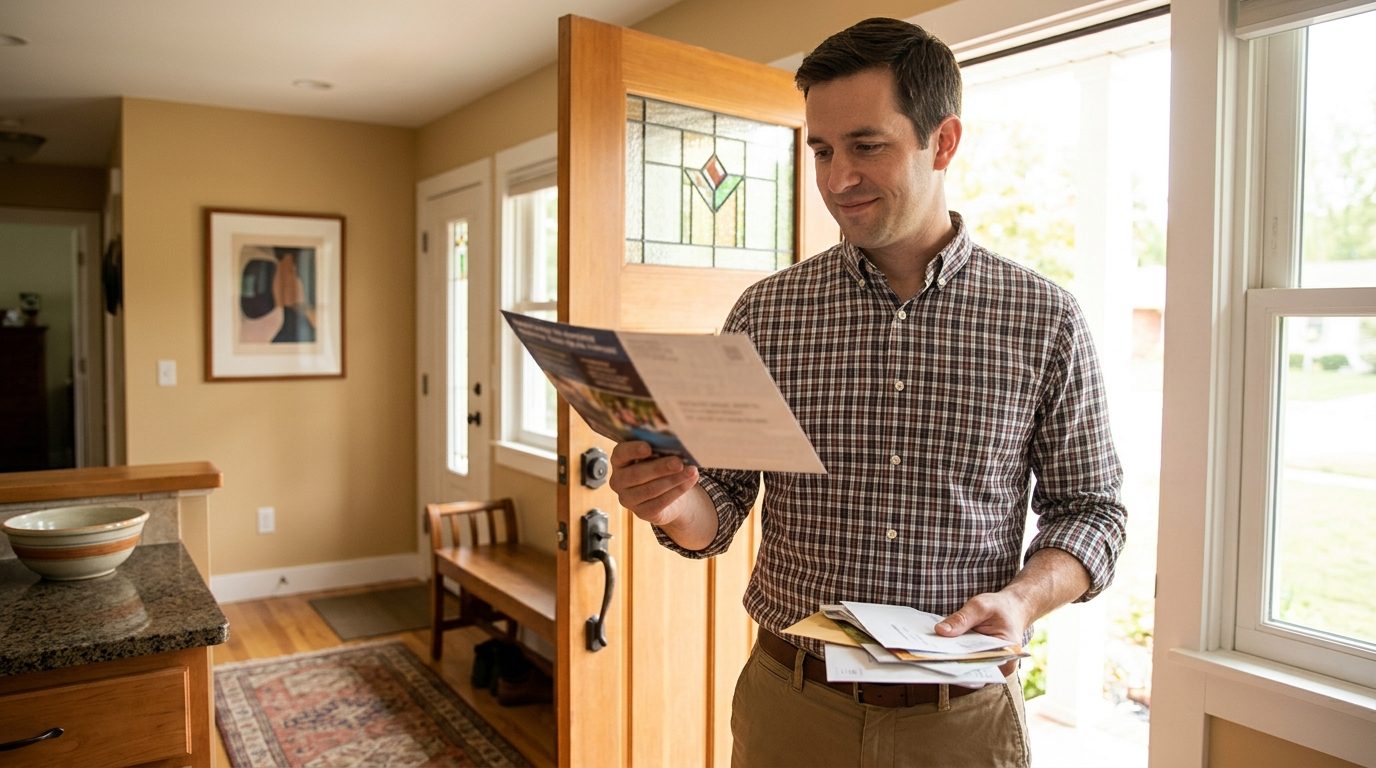
The mail piece arrives at home. Attention is not split among dozens of competing postings. That is the practical difference between hoping a passive nurse finds your requisition and putting a named, relevant ask in their mailbox.
If you have a requisition that is not closing through job boards, review whether a license matched audience and a single clear call to action would reach people who never see the posting. Book a 15-minute call to walk through targeting, card design, and how response tracking would work for your opening.
Measuring Results from a Mail Campaign
You measure a mail campaign with QR scans and landing page traffic instead of guessing whether anyone noticed the card.
Each card can carry a QR code and a short URL tied to a landing page for that opening, event, or pipeline offer. Scans and page visits show which segments responded. You still run your usual screening and interview process. The mail layer simply reports that a defined audience was reached and that some of them took the action you asked for.
RecruitCard runs this as a managed, end to end campaign: audience targeting by license type, specialty, and geography; card design with your employer brand, the recipient’s first name, and one call to action; printing; postage; delivery; and QR and landing page response tracking. Campaigns can cover a single market or a nationwide rollout. Recruitment marketing agencies can use a white label option if they want the channel without standing up print, postage, and tracking in house.
Take the Next Step
A 15 minute conversation is enough to map an open requisition to license, specialty, and geography options and to decide whether mail is a fit.
Bring the role that is not closing, the unit or specialty, and the geography you need to cover. Book a 15-minute call to review audience options and how a card would present your employer brand and one clear action.
Frequently Asked Questions
How do you know who is licensed?
The audience is built from license, specialty, and geography matching rather than a generic demographic list.
Do you handle design and printing?
The service covers targeting, creative, print, postage, delivery, and response tracking, not a list handoff alone.
Can we mail nationwide?
Campaigns support single market or nationwide rollouts for licensed healthcare roles in the United States.
What happens after someone scans the QR code?
They land on a page tied to your specific opening, hiring event, or pipeline offer so you can see traffic from the campaign.
Is this only for one open role?
The same model supports hiring events, apprenticeship awareness, and ongoing pipeline building, not only a single requisition.
Sources
Enjoyed this? There's more from RecruitCard.
Book a 15-minute call →