How to Measure Workforce Readiness Before You Need to Hire

For hospital and health-system talent teams, workforce readiness means knowing whether you can reach qualified candidates before a vacancy becomes urgent. Measure it by mapping future hiring needs, checking the depth of your specialty-specific audience, tracking current response signals, and maintaining an outreach plan for passive licensed professionals.
1. Define the roles you need to stay ready for
Start with a forward-looking list of roles that could create staffing pressure before the next requisition opens. Workforce readiness is more useful when it is specific. “Nursing” is too broad; an ICU RN night-shift opening at a particular location is actionable.
- List the role, license type, specialty, unit, shift, and location.
- Prioritize positions that have been difficult to fill through normal channels, including ICU, ED, OR, L&D, oncology, case management, night shift, rural roles, and other niche specialties.
- Separate recurring needs from one-time initiatives. Recurring needs may include ongoing CNA, HHA, caregiver, or unit-level staffing. One-time needs may include a hiring event, a new facility, an apprenticeship program, or an expansion.
- Document the event that would trigger outreach, such as a resignation, seasonal demand increase, planned service line, or upcoming hiring event.
This list becomes your readiness roster. It shows where you need a plan before a standard job posting becomes the only response to an urgent opening.
2. Measure the depth of each candidate audience
For every priority role, define the audience in terms of the credentials and circumstances that matter to the job. The key question is not simply how many people live nearby. It is whether you can reach people who match the role.
- Define the audience by license type, specialty or trade, and geographic location.
- Identify where the qualified local pool may be small, already employed, or difficult to reach through job boards and paid search.
- Record whether the role can draw from nearby markets, multiple locations, or a broader geographic area.
- For multi-location or nationwide hiring, note which markets need distinct messages, landing pages, or rollout plans.
A generic demographic mailing list is not a useful workforce-readiness measure for a specialized role. A readiness measure should reflect the ability to communicate with an audience matched to the relevant license, specialty, and geography.
3. Identify where your current recruiting channels stop
Next, identify the limits of the channels already in your recruiting mix. Job postings, referrals, paid search, and similar tools can be valuable, but they often depend on candidates who are actively looking.
- Review roles that remain open despite your usual posting and advertising activity.
- Note whether a channel mainly reaches people who are currently searching for a job.
- Flag licensed professionals who are likely employed and may not see or respond to a job posting.
- Identify roles where a relevant opportunity presented at home could reach people outside the active applicant pool.
This is a channel-gap exercise, not a reason to abandon your existing efforts. It helps you decide where targeted direct mail can add a distinct way to reach passive candidates who are structurally less visible through job boards and paid search.
4. Create a readiness baseline for each priority role
Set a baseline before outreach begins. Without one, it is difficult to interpret whether later engagement reflects a meaningful change in awareness or interest.
Record the operating details
For each role or pipeline initiative, record:
- Role, specialty, and license type
- Location, unit, and shift where relevant
- Hiring objective, such as filling a requisition, building awareness, supporting an event, or maintaining a pipeline
- Intended audience defined by specialty and geography
- Campaign message and intended action
Define readiness in practical terms
Readiness does not have to mean a completed hire. Depending on the objective, it may mean that the right audience recognizes your employer, visits a role-specific page, registers for a hiring event, starts a recruiter conversation, or enters a pipeline for future outreach.
Capture the current state of those signals before the campaign. Then QR scans and landing-page traffic can be reviewed against a documented starting point rather than treated as isolated numbers.
5. Build an outreach plan before the vacancy opens
Choose the purpose of outreach before developing the message. A campaign for an OR RN requisition should not look like a campaign for a new apprenticeship program or a recurring caregiver hiring need.
- Decide whether the effort supports a specific requisition, continuous high-volume hiring, a hiring event, apprenticeship awareness, or long-term pipeline building.
- Write to the actual specialty, work setting, location, shift, or opportunity rather than relying on a broad employer message.
- Give the recipient one clear next action.
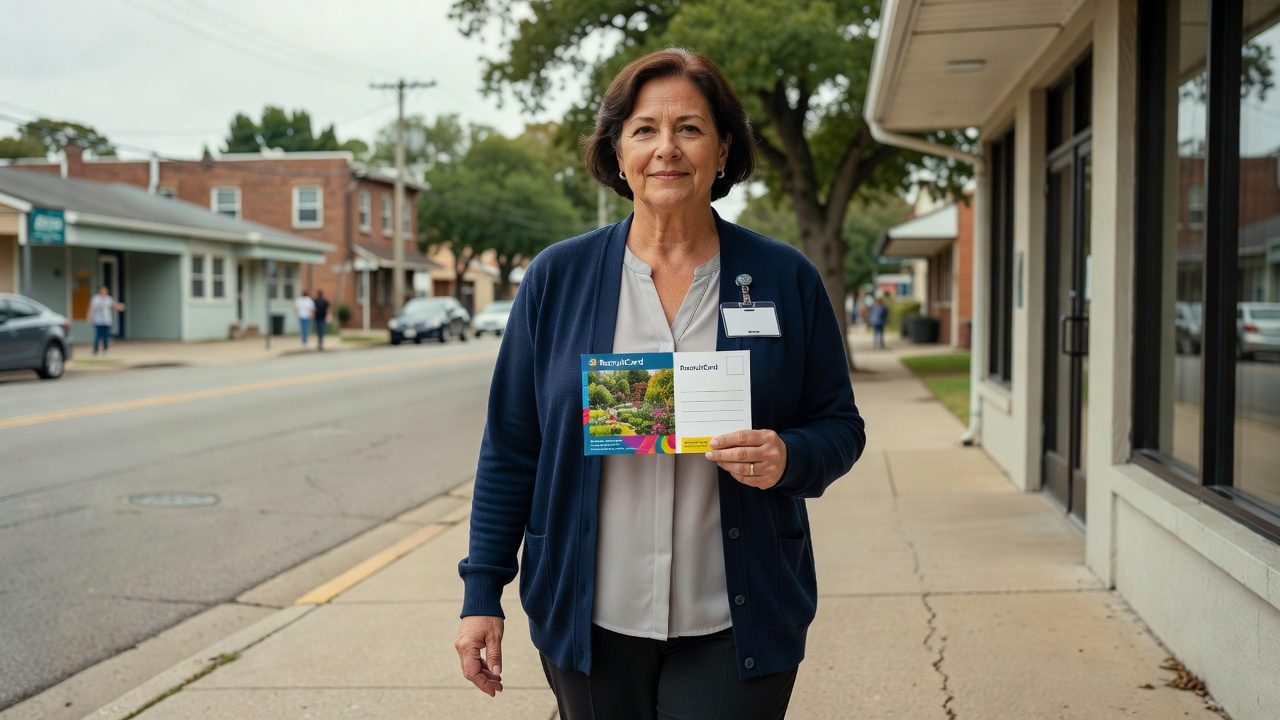
Use the four essential components of the card
A focused recruiting card includes four practical elements:
- The recipient’s first name. Personalization makes the communication feel addressed to an individual rather than sent as a mass message.
- A specialty-specific message. The card should identify the opportunity relevant to the audience, such as ED nursing, dental hygiene, respiratory therapy, or a skilled trade.
- Credible employer branding. Use your organization’s brand so candidates can immediately understand who is reaching out.
- One clear action. A QR code and short URL can direct the recipient to a relevant landing page, event registration, or next step.
If you are a recruitment marketing agency, decide early whether the work will be delivered under your agency brand through a white-label arrangement.
6. Track measurable readiness signals
Workforce readiness becomes measurable when every campaign has a clear path from the mail piece to a relevant destination. QR scans and landing-page traffic show whether recipients engaged with the outreach.
- Use a QR code and short URL that direct recipients to a page tied to the specific role, specialty, location, event, or program.
- Review engagement by campaign, audience, geography, specialty, and message when those distinctions are part of the plan.
- Pair campaign signals with your internal recruiting information, such as applications, recruiter conversations, event registrations, and pipeline activity.
- Document what happened after engagement, including whether the landing page and call to action matched the candidate’s next step.
No single signal guarantees a hire. A scan, visit, application, or conversation serves a different purpose in the readiness picture. Together, these signals can help you understand whether the audience is noticing and considering an opportunity before hiring demand becomes immediate.
7. Refresh the pipeline as workforce needs change
A readiness plan should change with your operations. Review it when staffing conditions, care delivery plans, or hiring goals change.
- Update priority roles and audience definitions when units, shifts, locations, service lines, or hiring objectives change.
- Choose whether the next effort should focus on one market, several locations, or a nationwide rollout.
- Maintain a recurring outreach plan for roles with ongoing turnover instead of waiting for every opening to become urgent.
- Use campaign engagement to refine the next audience, message, landing page, or call to action.
This creates a working pipeline process. You are not assuming every recipient is ready to move today. You are maintaining relevant awareness and a path to engage when an opportunity is a fit.
8. Decide whether your organization is ready for a managed campaign
A targeted direct mail campaign can be a practical fit when you have a specific role that will not close through normal channels, a small or passive qualified audience, a recurring local hiring need, or a pipeline objective beyond one open requisition.
RecruitCard manages direct mail recruiting campaigns from audience targeting by license type, specialty, and geography through card design, printing, postage, delivery, and QR-code and landing-page response tracking. The approach can support a single market or a nationwide campaign. RecruitCard’s deepest expertise is licensed healthcare hiring.
When you can name the role, audience, trigger, message, and measurable next action, you have the foundation for a workforce-readiness plan. If you want to assess a priority role and its readiness plan, book a 15-minute call.
Enjoyed this? There's more from RecruitCard.
Book a 15-minute call →