
Reaching Behavioral Health Professionals About a New Program Before You Need to Hire
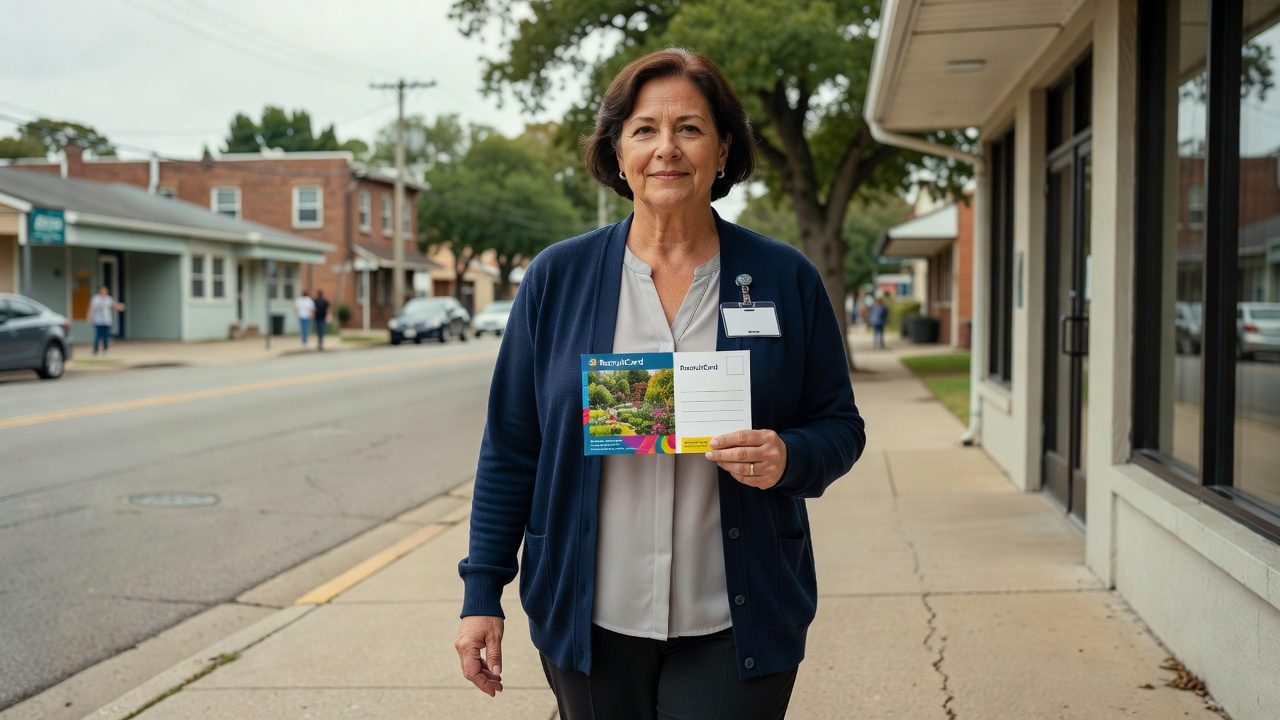
A new behavioral health program needs awareness before it needs applicants. If you are launching or expanding services, a targeted, personalized direct mail campaign can introduce the program to relevant licensed and credentialed professionals by specialty and geography, then create a measurable path for future recruiting follow-up.
Who This Article Is For
This approach is for behavioral health employers, hospitals, health systems, outpatient practices, and community programs that are launching or expanding a service.
It is particularly relevant to recruitment and talent-acquisition teams that want to build familiarity with a program before new roles become urgent. Your future staffing plan may include counselors, social workers, psychiatric nurses, behavioral health practitioners, or related professionals.
It can also help recruitment marketing agencies add a managed direct-mail channel for their clients.
Why Program Awareness Should Start Before the Requisition
A new program may require several professional types over time, rather than one immediate hire. Waiting until every requisition is open can leave your team trying to explain a new opportunity while also competing for attention from a limited local talent pool.
Many qualified behavioral health professionals are already employed. They may not be searching job boards when your program launches, especially if they have not heard about the mission, care setting, location, or program model.
Early awareness gives people time to understand what you are building and decide whether they want to learn more. A pipeline campaign can support later recruiting activity without requiring you to wait until each opening is urgent.
Why Job Boards and Paid Search May Miss This Audience
Job boards and search advertising are useful recruiting channels, but they primarily reach people who are actively looking or already demonstrating online job-search intent. A behavioral health professional who is settled in a current role may never encounter a posting for a program they do not yet know exists.
A physical mail piece creates a separate channel for introducing the program to a defined professional audience at home. It is not a replacement for every hiring method. It can complement job postings, referral activity, events, recruiter outreach, and other parts of your recruiting plan.
The goal is to create awareness before candidates begin looking and before you need every role filled.
How to Target Behavioral Health Professionals Precisely
Start with the staffing plan. Define the relevant license type, specialty or professional category, and geographic area for the program. The audience can then be built around that match instead of a broad demographic mailing.
Depending on your program, the audience may include behavioral health counselors, social workers, psychiatric nursing professionals, or other roles connected to the care model. The campaign should reflect the actual professional audience you hope to reach, not simply a broad “healthcare” category.
This is different from handing off an undifferentiated list. RecruitCard manages targeting by license type, specialty, and geography, along with the creative, print, postage, delivery, and response-tracking components of the campaign.
For a multi-location program, the same model can support one market, several locations, or a nationwide rollout. The geographic plan should follow where the program expects to recruit and where the message is relevant.
What the Mail Piece Should Communicate
Lead with the program itself and why a behavioral health professional should pay attention. That may include the patient population, service model, professional environment, or the community need the program is designed to address.
Keep the card focused. Recipients do not need every operational detail in the mail. They need enough context to understand what is new, who is behind it, and what they can do next.
- Describe the type of work or care model.
- Explain the setting or location at an appropriate level.
- Introduce anticipated opportunities without treating them as immediate openings if they are not.
- Use credible employer and program branding so the sender is clear.
- Include the recipient's actual first name where appropriate.
- Give the recipient one clear next step.
That next step might be learning about the program, joining an interest list, registering for an information session, or connecting with your recruiting team about future opportunities.
The Four Components of an Effective RecruitCard
- Personalized name: Addressing the recipient by actual first name makes the piece feel directed to an individual rather than a broad audience.
- Specialty-specific message: The language should speak to behavioral health professionals and the kind of work the program involves.
- Employer branding: Your organization and program identity should make it easy for recipients to understand who is communicating and why the program merits attention.
- One clear action: A QR code and short URL should lead to one focused destination, rather than asking recipients to navigate a large careers site on their own.
Use a Landing Page to Turn Awareness Into a Pipeline
Send recipients to a landing page built for the new program, not a general careers homepage. A focused page can explain the program, anticipated roles, location, professional needs, and how interested people can remain informed.
It should also give visitors a way to express interest even when a matching role is not open yet. That response can become part of your future recruiting follow-up process.
Match the landing-page call to action to the campaign goal. For example, the page may invite people to learn about future opportunities, register for a hiring event, request program information, or start a conversation with a recruiter.
How to Measure Interest Before Hiring Begins
Direct mail recruitment does not have to be unmeasurable. RecruitCard campaigns can track QR-code scans and landing-page traffic generated by the campaign.
Using a dedicated landing page and response process helps your team distinguish campaign interest from general activity on your website. Your recruiting team can then review responses and determine which contacts belong in a future pipeline.
These measures show engagement and interest in the program. They do not guarantee hires or a particular return. Their value is in giving your team a trackable view of whether the campaign is bringing relevant people to the program information and response path you created.
Campaign Uses Beyond a Future Job Opening
A program-awareness campaign is not limited to a single future requisition. It can support several related goals when the audience and message are clear.
- Introduce a behavioral health program before staffing needs are fully defined.
- Build awareness for a new facility, service line, treatment model, or community offering.
- Invite professionals to a hiring event, open house, or information session.
- Maintain a pipeline for recurring behavioral health hiring needs.
- Support multiple roles or locations through one coordinated campaign.
If you have more than one objective, avoid placing competing actions on the same card. Consider separate messages or coordinated campaign phases so each recipient has a clear next step.
What RecruitCard Handles
RecruitCard runs managed, end-to-end direct mail recruiting campaigns. For a behavioral health program-awareness effort, that includes:
- Audience targeting by license type, specialty, and geography.
- Card strategy and design using your employer brand, a personalized recipient name, and one clear call to action.
- Printing, postage, and delivery.
- QR-code and landing-page response tracking.
- Campaign support for a single market or a nationwide rollout.
- White-label delivery for recruitment marketing agencies that want to offer direct mail without building an in-house print and mail operation.
When This Approach Is a Good Fit
Consider a targeted direct-mail awareness campaign when:
- You are launching or expanding a behavioral health program and want awareness before vacancies become urgent.
- Your qualified audience is limited, specialized, or likely to be already employed.
- You need to explain an opportunity candidates cannot easily search for yet.
- You want a measurable channel that supports immediate awareness and longer-term pipeline building.
- You are a recruitment marketing agency looking to add managed direct mail to your services.
It is especially useful when the program needs attention from a defined professional audience, rather than broad public awareness alone.
Practical Questions to Answer Before Launch
A clearer brief produces a clearer campaign. Before launch, align your recruiting, program, and marketing stakeholders around these questions:
- Which behavioral health specialties and professional credentials should be included?
- Which locations should the campaign cover?
- Is the primary goal program awareness, future hiring, an event, or a combination with separate calls to action?
- What should recipients see after scanning the QR code?
- Who will follow up with people who express interest?
- How will the team record scans, landing-page visits, and responses?
Also decide what you can say confidently at this stage. If roles, schedules, or program details are still being finalized, the message can focus on the mission and invite recipients to stay informed rather than overpromising specifics.
Conclusion: Build the Audience Before You Need the Hire
A new behavioral health program does not have to begin recruiting from zero when positions open. Targeted direct mail can introduce the program to relevant professionals, give them a clear next step, and create a trackable path into a future talent pipeline.
If you are planning a program launch, book a 15-minute call to discuss the program, audience, geography, and campaign goal.
Enjoyed this? There's more from RecruitCard.
Book a 15-minute call →