
How to Recruit Licensed Clinical Social Workers for Behavioral Health
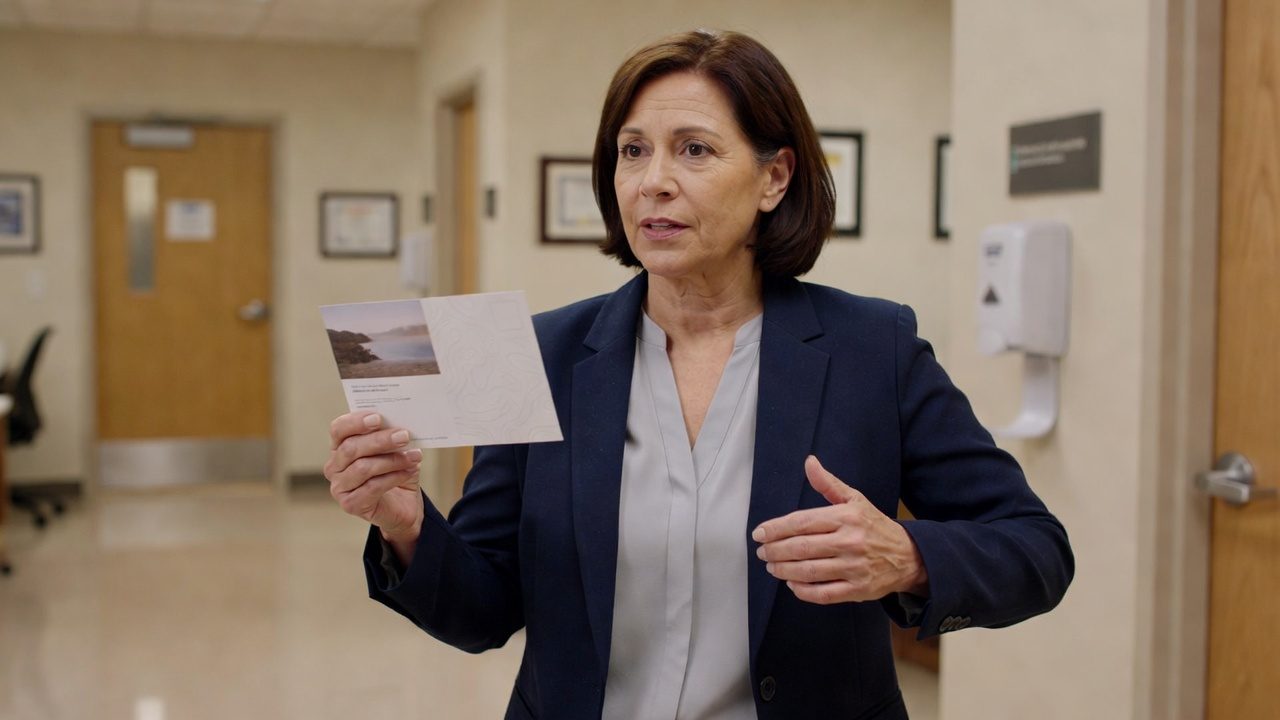
To recruit licensed clinical social workers for behavioral health, focus on the specific license, specialty, and geography of the role, then reach qualified professionals beyond active job seekers. This approach is for behavioral health employers, hospitals, health systems, clinics, and recruitment marketing agencies hiring LCSWs for hard-to-fill roles.
Why LCSW Recruitment Requires a More Specific Approach
Behavioral health hiring often calls for more than a broad social-work audience. You may need an LCSW for a particular care setting, patient population, shift, program, or location. A general message aimed at “social workers” can make it harder for the right clinician to see why your opening is relevant.
Many experienced LCSWs are already employed. They may not be searching job boards when your position opens, which means a posting alone may not put the opportunity in front of them.
A more direct approach combines precise audience targeting, role-relevant messaging, credible employer branding, and a simple way to respond. RecruitCard’s deepest expertise is licensed healthcare hiring. Its direct-mail model can also support behavioral health recruitment when you need to introduce a specific LCSW opportunity to a defined professional audience.
What Makes Licensed Clinical Social Worker Hiring Difficult
General social-work experience and an opening that requires a particular clinical license are not interchangeable. An LCSW role can narrow further based on the work itself.
- Location: A local service area, a rural site, several facilities, or a role that may appeal to professionals outside the immediate area.
- Care setting: Outpatient behavioral health, hospital behavioral health, community-based care, substance-use treatment, crisis services, or a related clinical program.
- Patient population: The populations and needs the clinician will support.
- Clinical focus: The type of behavioral health work, program, or service line involved.
- Schedule: Evening, overnight, weekend, or other less conventional coverage needs.
Some opportunities are difficult to explain through a short job title alone. A rural program, a night-shift role, or a newer service that is not widely known may need a more deliberate introduction to the right clinicians.
Why Job Boards and Paid Search May Miss Passive LCSW Candidates
Job boards and paid search are useful recruiting channels, but they largely depend on people who are actively searching, clicking, or responding to recruiting messages. An employed LCSW may be qualified for your role yet never encounter your posting because they are not looking for one.
That is the structural gap. A public posting waits for an active job seeker to find it. A targeted direct-mail piece brings a personalized message to a defined professional audience at home.
Direct mail is not a replacement for every recruiting source. It is a complementary channel for creating another path to qualified clinicians who may not see or respond to a job-board listing or paid ad.
Start With a Precise LCSW Audience
A useful campaign begins with a clear definition of the audience. Rather than mailing a general population or a broad group of healthcare workers, the audience is built from license, specialty, and geography matching.
For example, a behavioral health employer can frame an audience around the clinical license required, the relevant behavioral health focus, and the area or areas the campaign should cover. The geography may be one service area, several locations, or a nationwide rollout, depending on the hiring need.
This is different from buying a generic mailing list. The point is to make the outreach relevant to a particular licensed professional audience and a particular opportunity.
Recruitment marketing agencies can use the same model when supporting a behavioral health client. A campaign can be planned around the client’s role, location, brand, and response path, including through a white-label arrangement.
Match the Message to the Behavioral Health Role
Name the role and clinical focus clearly. “We’re hiring social workers” is usually less useful than a message that tells an LCSW what kind of work is available and why they may want to learn more.
Depending on the opening, the message can cover:
- The LCSW role and clinical focus.
- The patient population or program.
- The care setting and location.
- The schedule or coverage need.
- The team structure or work environment.
- The employer’s reason for sharing the opportunity.
Keep the description honest and specific. Your employer brand should help a recipient understand who is hiring and what the work represents, not obscure important details behind general recruiting language.
If you are open to candidates outside the immediate area, the campaign can present the opportunity to a wider geographic audience. It should still describe the location plainly and avoid implying that relocation support or a hiring outcome is guaranteed.
Focus each card on one opportunity or one related hiring need. A recipient should not have to sort through unrelated openings to understand the next step.
The Anatomy of an Effective LCSW Recruitment Card
A focused recruitment card has four practical parts.
1. Personalized recipient name
Where available within the campaign process, the card can use the recipient’s actual first name. Personalization helps make the outreach feel directed to an individual rather than sent as a broad local advertisement.
2. Specialty-specific message
The copy should connect directly to behavioral health and the LCSW role. It should not read like a generic healthcare vacancy.
3. Credible employer branding
Use your organization’s name and visual identity, along with a concise explanation of the opportunity. The recipient should be able to recognize who is contacting them and why.
4. One clear action
A QR code and short URL can direct the recipient to a focused landing page. One action is easier to understand than several competing requests, such as applying, calling, attending an event, and reviewing unrelated jobs all at once.
Before production, review the card for readable type, accurate role details, clear branding, and an obvious next step.
Send Candidates to a Focused Landing Page
After a recipient scans the QR code, they should arrive at a page that directly matches the LCSW opportunity described on the card. The short URL provides another response path for someone who does not scan the code immediately.
A focused landing page can include:
- A concise role summary.
- The clinical setting and program context.
- Location and schedule information.
- Required qualifications.
- Employer information and branding.
- A clear application or contact path.
Keep the language and visual presentation consistent with the card. The candidate should be able to confirm quickly that the opportunity is relevant. Avoid routing people to a crowded careers homepage where the specific LCSW role is difficult to locate.
How to Measure an LCSW Direct-Mail Campaign
Direct-mail recruiting does not have to be unmeasurable. QR scans and landing-page traffic can show whether recipients engaged with the card and reached the campaign page.
These are activity measures, not the same thing as hiring outcomes. Applications, interviews, and hires are handled through your recruiting process. Align the landing page, applicant workflow, and follow-up process before the campaign is mailed so your team can identify and respond to interested candidates.
This separation matters: scans and visits help you understand campaign engagement, while your internal recruiting workflow tracks what happens after a prospective candidate responds.
When Direct Mail May Fit a Behavioral Health Hiring Need
Targeted direct mail may be a practical addition when:
- A specific LCSW requisition remains open despite normal recruiting efforts.
- The qualified local audience is limited and likely includes already-employed clinicians.
- You need to introduce a behavioral health program or care setting that potential candidates may not know about.
- You are promoting a hiring event, open house, or broader recruiting initiative.
- You want to build behavioral health candidate awareness before the next vacancy opens.
- You are a recruitment marketing agency that wants to offer direct mail without building an in-house targeting, creative, print, postage, delivery, and tracking operation.
Common Questions About Recruiting LCSWs by Direct Mail
Can you target LCSWs rather than sending to a general population?
Yes. The model is built around license type, specialty, and geography matching rather than a general-population mailing.
Can a campaign support one facility or several locations?
Yes. A campaign can be structured for a single market or a nationwide rollout based on your hiring need.
Can our logo and employer brand appear on the card?
Yes. The managed service includes card design built around your employer brand.
Is the response trackable?
QR scans and landing-page traffic provide campaign activity signals. Your recruiting workflow should then capture applications, interviews, and other downstream activity.
Can this support an ongoing pipeline?
Yes. The same model can support more than one requisition, including program awareness, hiring events, and longer-term candidate pipeline activity.
What does a campaign cost, and how soon can it be in mailboxes?
Those are planning questions best discussed in relation to your audience, geography, creative requirements, and campaign scope. A planning call can help define the work involved.
How RecruitCard Supports the Campaign From Targeting Through Tracking
RecruitCard manages the campaign rather than simply handing over a generic mailing list. The service includes audience targeting, creative, printing, postage, delivery, and response tracking.
For an LCSW campaign, the card can include the recipient’s first name, a behavioral-health-specific message, your employer branding, and one clear call to action. QR-code and landing-page activity provide a way to monitor engagement with the campaign.
RecruitCard can support single-market and nationwide campaigns. Recruitment marketing agencies can also use a white-label option when they want to offer this channel under their own brand.
Build a More Direct Path to Qualified LCSWs
For behavioral health LCSW hiring, start by defining the exact licensed audience you need. Then create a role-specific message and make the response path simple and measurable.
Targeted direct mail is designed to complement job boards and paid search by reaching professionals who may not be actively looking when your opening goes live. If you have a specific behavioral health hiring challenge, a planning conversation can cover the audience, geography, message, and tracking requirements.
Enjoyed this? There's more from RecruitCard.
Book a 15-minute call →