
A Direct Mail Recruitment Playbook for Licensed Clinical Social Workers
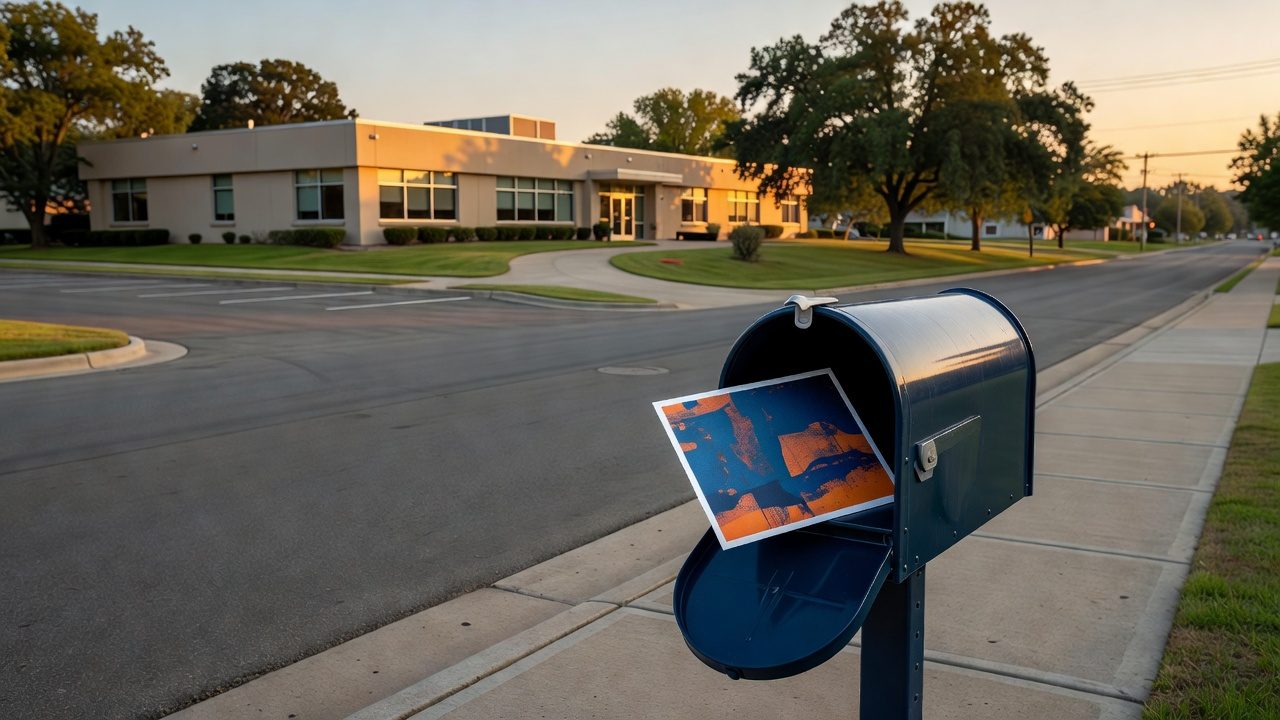
For employers hiring licensed clinical social workers, direct mail can add a focused channel for reaching qualified professionals who are not actively searching online. This playbook is for hospital, behavioral-health, clinic, and social-service talent teams, as well as recruitment marketing agencies, that need to plan, launch, and measure a campaign by license type, specialty, and geography.
1. Define the hiring objective and candidate profile
Start with the hiring need, not the mailing format. State exactly what you need the campaign to accomplish.
- Identify the role: clinical social worker, behavioral-health social worker, hospital social worker, therapist, or case-management professional.
- Document the required license or credential, relevant clinical specialty, work setting, schedule, location, and role-specific experience.
- Clarify whether you are supporting one difficult requisition, several sites, a hiring event, or a longer-term candidate pipeline.
- Note the conditions making the role difficult to fill, such as a limited local pool, a role that has remained open, a specialized service line, a night schedule, or low response from normal recruiting channels.
This step matters because direct mail is not a generic replacement for every job posting. It is most useful when you need to put a specific opportunity in front of licensed professionals who may already be employed and therefore may not be visiting job boards.
2. Choose the license, specialty, and geography targeting
Build the audience around the actual hiring requirement. For licensed clinical social work recruiting, that means matching the relevant license type, specialty or practice context, and geographic area.
- Define the license type or credential required for the position.
- Specify the clinical focus where it matters, such as behavioral health, hospital discharge planning, care management, crisis work, oncology support, or another service-line need.
- Set the geography around the job location and realistic commute or relocation considerations.
- For multiple sites, decide whether each site needs a distinct audience and message or whether a broader campaign is appropriate.
This is different from mailing a broad demographic audience. The campaign audience is built from license, specialty, and geography matching so the outreach remains connected to the role you need to fill. Keep the scope tied to the hiring need rather than treating the effort as a general awareness mailing.
3. Select the message for licensed clinical social workers
Choose one credible reason for a recipient to learn more. The message should speak to the clinical work, not simply announce that you are hiring.
- Lead with the patient population, care setting, clinical team, schedule, or service mission that makes the opportunity relevant.
- State the location and the type of work directly.
- Be clear about required licensure and material schedule expectations.
- Explain that you are reaching out directly because the role is relevant to licensed clinical social work experience.
For example, a hospital social-work message may focus on interdisciplinary care and discharge planning. A behavioral-health role may focus on the clinical setting and population served. A case-management position may focus on coordination across the care continuum. The point is not to make every role sound alike. It is to give the recipient a quick, truthful reason to consider this specific role.
4. Build the card around four essential elements
A recruiting card should be easy to understand in a few seconds. RecruitCard campaigns use four core elements to keep the piece focused.
Personalize the recipient name
Address the recipient by their actual first name. Personalization makes the outreach feel like a direct invitation rather than a general advertisement.
Use a specialty-specific message
Make the relevance clear. Name the licensed clinical social work opportunity and the intended practice setting or specialty. Avoid broad healthcare language that could apply to any profession.
Show credible employer branding
Use your organization’s logo, visual identity, and concise employer information. The recipient should be able to understand who is hiring before deciding whether to scan.
Provide one clear action
Use one QR code and a short URL that lead to the campaign landing page. One action reduces confusion and makes the response path easier to measure.
- Avoid several competing links, phone numbers, and instructions on the same card.
- Avoid dense copy that obscures the job’s central reason to respond.
- Avoid a design that resembles a broad consumer advertisement rather than a professional recruiting invitation.
5. Create the landing page and response path
Continue the card’s message on a focused landing page. A scan should take the recipient directly to the information needed to decide whether to express interest.
- Restate the role, location, clinical setting, and required license.
- Include relevant specialty or service-line information.
- Describe the schedule or shift when it is important to the decision.
- Provide a straightforward way to express interest or enter your normal recruiting process.
- Make the page easy to use on a mobile device, since recipients may scan the QR code with a phone.
Keep this response path distinct from unrelated recruiting traffic when possible. That structure helps you see QR scans and landing-page visits associated with the direct mail campaign.
6. Coordinate production and delivery
Use a managed workflow so the audience, creative, print, postage, delivery, and tracking work together. A disconnected process can create avoidable errors, such as a card that promotes one location while the landing page describes another.
Before approving the mail piece, review the following:
- Recipient-name personalization and audience criteria.
- Job location, license requirement, specialty, and schedule language.
- Employer logo, visual identity, and approval requirements.
- QR-code functionality and the landing-page destination.
- The single call to action.
- Whether the effort covers one market, multiple locations, or a nationwide rollout.
RecruitCard manages targeting, card design, printing, postage, delivery, and response tracking as one campaign workflow. Delivery timing depends on the campaign details and production requirements, so review the schedule once the audience and creative scope are defined.
7. Launch supporting recruiting activity
Mail should connect to a prepared recruiting process. Before delivery, make sure recruiters and hiring managers know what the campaign promotes and how they will handle interest from recipients.
- Prepare the team to respond to inquiries and landing-page submissions.
- Align the card, landing page, recruiter outreach, and application experience with the same specialty-specific language.
- Coordinate with the appropriate requisition, hiring event, open house, or pipeline initiative.
- Confirm that the next step is clear for candidates who are interested but not ready to complete a full application.
For recurring needs, such as ongoing behavioral-health or case-management hiring, plan the campaign as part of a continuing outreach approach. It can support your existing recruiting channels rather than function as an isolated replacement for a job posting.
8. Measure QR scans and landing-page traffic
Direct mail recruiting does not have to be unmeasurable. Track QR scans and landing-page traffic as the primary direct-response signals from the campaign.
- Review activity for each campaign.
- When the campaign structure supports it, compare activity by role, location, specialty, or mailing segment.
- Connect interested candidates to your normal recruiting workflow.
- Use the findings to refine the audience, geography, message, landing page, or call to action for a future mailing.
These measures show campaign engagement. Your internal talent-acquisition process can then evaluate the downstream recruiting activity in the context of the role and your normal hiring workflow.
9. Decide whether to extend the campaign
After reviewing the campaign activity and the remaining hiring need, decide whether another touchpoint would be useful. An extension should have a reason: an active role, a revised message, an expanded geography, or a related hiring objective.
- Continue outreach when the same licensed clinical social worker need remains active.
- Expand to additional locations when similar roles exist across your organization.
- Adapt the model for related behavioral-health hiring, social-work recruiting events, new-facility awareness, or long-term pipeline development.
- Adjust the audience or message when campaign activity suggests a more focused approach for the next effort.
If you are a recruitment marketing agency, a white-label managed campaign can add targeted direct mail, creative, printing, postage, delivery, and response tracking without requiring your team to build that operation internally.
10. Book a planning call
Bring the practical details needed to scope the campaign: the role, required license or specialty, target geography, employer-brand requirements, and campaign objective. Include the HR, talent-acquisition, marketing, or agency stakeholders who will approve the audience and creative.
Use the discussion to determine whether the campaign should focus on one hard-to-fill requisition, a hiring event, multiple locations, or an ongoing pipeline for licensed clinical social workers.
Book a 15-minute call to discuss a direct mail recruitment campaign for licensed clinical social workers.
Enjoyed this? There's more from RecruitCard.
Book a 15-minute call →