Physician Recruitment for Hospitalists, Nocturnists, and Other Schedule-Defined Roles

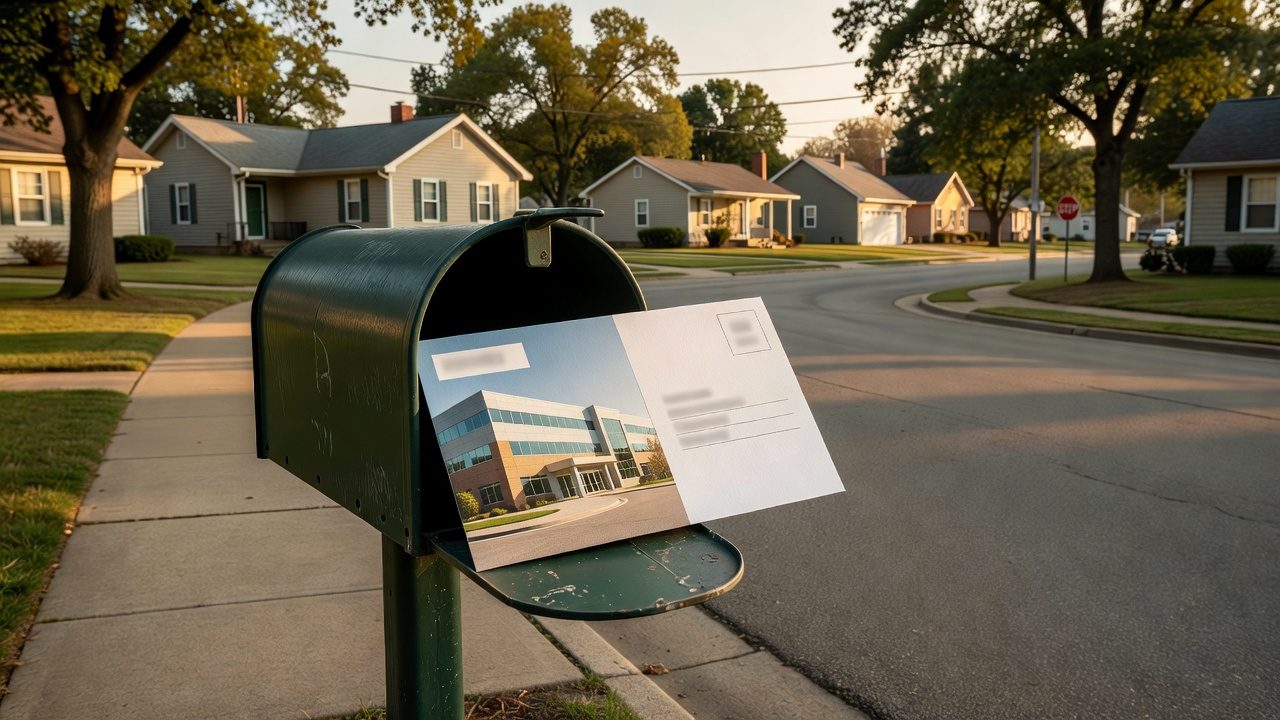
Physician recruitment for hospitalists, nocturnists, and other schedule-defined roles requires more than a broad physician audience. The strongest campaigns identify the relevant specialty, geography, and schedule fit, then present the role clearly to physicians who may not be actively searching on job boards. For hospital and health-system recruiting teams, targeted direct mail can add a measurable channel for introducing a difficult role to a relevant physician audience.
Who This Article Is For
This article is for hospital and health-system HR leaders, physician recruiters, and talent-acquisition teams hiring hospitalists, nocturnists, intensivists, emergency physicians, and other physicians whose work is defined by a particular schedule or coverage model.
It is also for recruitment marketing agencies that want to offer targeted direct mail under their own brand through a white-label service, and for employers with a physician role that remains open because of overnight coverage, weekend requirements, a rural location, or another schedule-defined challenge.
Why Schedule-Defined Physician Roles Are Difficult to Fill
A job title can sound broad while the actual opportunity is narrow. A hospitalist role with a seven-on, seven-off rotation is not interchangeable with a daytime inpatient role. A nocturnist opening centers on overnight coverage. Weekend-only work, swing shifts, and overnight intensivist coverage each require a physician to consider a distinct work pattern.
That schedule can limit the relevant audience. It can also be the main reason a physician would consider a conversation. A physician who is already employed may not be checking job boards or clicking paid search ads, but may be open to a different schedule, practice setting, location, or compensation structure.
For that reason, the schedule and coverage model should be central to the campaign message. It should not be a detail a physician discovers after opening a full job description.
When Targeted Direct Mail Fits Physician Recruitment
Targeted direct mail is most useful when you have a defined physician requisition, a relevant specialty, and a clear geographic market or relocation opportunity. It can support positions that are not closing through normal channels, including nocturnist openings, rural hospitalist roles, and roles with unusual coverage requirements.
It can also support broader physician recruitment goals, such as:
- Awareness for a new facility or service-line expansion
- A physician hiring event
- A defined market expansion
- A longer-term candidate pipeline before the next vacancy opens
Direct mail is a complementary channel, not a replacement for credentialing, recruiter outreach, referrals, or other physician recruitment activity. Its role is to create another route to physicians who may be relevant but are not actively searching online.
How Physician Audience Targeting Works
RecruitCard builds the campaign audience around license type, specialty, and geography. This is different from sending a broad demographic mailing or handing off a generic list.
Before a campaign begins, define the physician profile as precisely as the opportunity allows. The planning discussion should cover:
- The relevant specialty or physician type
- Target locations and nearby markets
- Whether relocation should be part of the audience strategy
- The schedule or coverage model that defines the role
- The specific action you want a recipient to take
For a schedule-defined role, identify the practical work pattern. That may include nocturnist coverage, weekend coverage, block scheduling, a hospitalist rotation, a swing shift, or another defined shift structure.
The goal is to reach a relevant pool that may include passive candidates. It does not mean every recipient is actively available or guaranteed to meet every hiring requirement.
The Message: Make the Schedule Impossible to Miss
A physician recruitment card should quickly answer a basic question: why should this opportunity matter to this physician? For schedule-defined roles, the answer often begins with the shift, rotation, or coverage model.
Lead with the defining detail. For example, the message may center on nocturnist coverage, a predictable block schedule, a defined hospitalist rotation, or weekend coverage. Then add enough context to make the opportunity credible and understandable, such as the hospital or service line, patient setting, clinical team structure, and location.
Use approved employer details and credible employer branding so the piece feels like a direct invitation from a real organization, rather than a generic recruitment advertisement. Keep the next step simple. A QR code and short URL can send the recipient to a focused page to review the role or begin a conversation.
The Anatomy of an Effective Physician Recruitment Card
RecruitCard campaigns use a focused card structure designed to earn the next step, not to reproduce an entire job description.
Personalized name
Where personalization is available, the recipient is addressed by their actual first name. This helps make the piece feel like a direct communication rather than a broad mailing.
Schedule-specific message
The shift, rotation, or coverage model should be prominent and easy to understand. If overnight work defines the opportunity, say so clearly.
Employer branding
The card should show who is hiring and why the hospital, health system, practice, or service line is relevant to the physician.
One clear action
A QR code and short URL direct the recipient to a focused landing page. Avoid competing calls to action that make it unclear what to do next.
Do not overcrowd the card with every credential, benefit, and job requirement. The card's purpose is to create sufficient interest for a physician to learn more.
Examples of Schedule-Defined Physician Recruitment Angles
Hospitalists
Focus on the rotation, inpatient setting, team model, and the practical reason the role may suit a physician seeking a defined work pattern.
Nocturnists
Put overnight coverage at the center of the message. Include useful approved details about handoffs, available support, and the structure of the schedule, without making the card read like a full job description.
Intensivists
Clarify the ICU coverage model, shift expectations, call structure, and clinical team context. These details help a physician understand what distinguishes the role from another critical care opening.
Emergency physicians
Highlight the shift structure, department setting, and location factors that may matter when comparing emergency medicine opportunities.
Other schedule-defined roles
The same approach can apply to weekend coverage, swing shifts, rural practice, short-term coverage, and service-line-specific physician hiring. Start with the feature that makes the role distinct, then make the next step easy.
What Happens After a Physician Scans
When possible, the QR code should send the recipient to a campaign-specific landing page rather than a general careers homepage. The landing page can provide fuller information about the opportunity, schedule, location, employer, and next step.
RecruitCard tracks QR scans and landing-page traffic, giving you a view of campaign engagement. This tracking does not replace your recruiting systems or hiring workflow. It adds campaign activity data that can help connect the physical mail piece to digital response behavior.
Your team should decide in advance how it will handle direct inquiries and follow-up from interested physicians. A clear handoff matters once a recipient moves from initial curiosity to a recruiting conversation.
RecruitCard's Managed Campaign Process
RecruitCard manages the campaign as an end-to-end direct mail recruitment program. The process includes audience targeting by license type, specialty, and geography; card design; printing; postage; delivery; QR-code setup; landing-page response tracking; and campaign coordination.
The card is developed around your employer brand, a personalized recipient name where available, a schedule-specific message, and one clear call to action. Campaigns can support a single market or a nationwide rollout.
Recruitment marketing agencies can use a white-label option when they want to offer direct mail without building an internal design, print, postage, delivery, and response-tracking operation.
Pricing, audience scope, and timing depend on the campaign plan and should be confirmed during a planning conversation.
How This Compares With Job Boards and Paid Search
Job boards and paid search are useful for reaching active job seekers who are searching, browsing, or responding to recruitment messages online. They are part of many physician recruitment efforts.
Targeted direct mail serves a different purpose. It introduces a relevant schedule-defined opportunity to physicians who may not be actively looking or may not encounter your specific posting. A mailed piece can bring the role, its schedule, and your employer brand directly to the recipient.
The practical question is not whether to use one channel exclusively. It is whether your current channel mix reaches the physicians most relevant to the role. Direct mail can introduce the opportunity, while recruiter follow-up and digital resources support further evaluation.
When a Campaign Is a Good Fit
A targeted physician direct mail campaign may be a good fit when:
- You have a specific hospitalist, nocturnist, or physician requisition that has remained open despite normal recruiting activity.
- The relevant pool is limited by specialty, schedule, geography, or willingness to relocate.
- The opportunity has a clear value proposition that can be communicated in a short, focused message.
- You want to promote a physician hiring event, new facility, service-line expansion, or future pipeline opportunity.
- Your agency wants to provide targeted physician direct mail without managing the operational work internally.
Questions to Resolve Before Launch
A focused campaign starts with a focused brief. Resolve these questions before development begins:
- Which physician specialty, schedule, and coverage model define the opportunity?
- Which locations should be included, and should the message address relocation?
- What should the recipient do after scanning the QR code?
- Which employer-brand elements and approved role details should appear on the card?
- How will your recruiting team follow up with scans, landing-page visitors, and direct inquiries?
- Should the campaign support one requisition, multiple locations, a hiring event, or an ongoing physician pipeline?
FAQ
Can you target hospitalists and nocturnists separately?
Yes. The audience and message can be structured around the relevant license type, specialty, geography, and schedule-defined role.
Can a campaign reach physicians who may relocate?
The audience strategy can account for the geographic markets relevant to the role. Relocation messaging and market scope should be defined during planning.
Is physician direct mail measurable?
Yes. RecruitCard uses QR scans and landing-page traffic to measure campaign engagement. Your recruiting team continues to manage follow-up and the hiring process.
Does RecruitCard handle design and printing?
Yes. The managed service includes audience targeting, card design, printing, postage, delivery, and QR-code and landing-page response tracking.
Can an agency offer this under its own brand?
Yes. RecruitCard offers a white-label option for recruitment marketing agencies.
Discuss Your Physician Recruitment Campaign
If you are hiring for a schedule-defined physician role, start with the specialty, geography, coverage model, message, and response-tracking plan. Book a 15-minute call to discuss a targeted direct mail campaign.
Enjoyed this? There's more from RecruitCard.
Book a 15-minute call →