Recruiting EMTs for New Ambulance Stations Before Opening Day

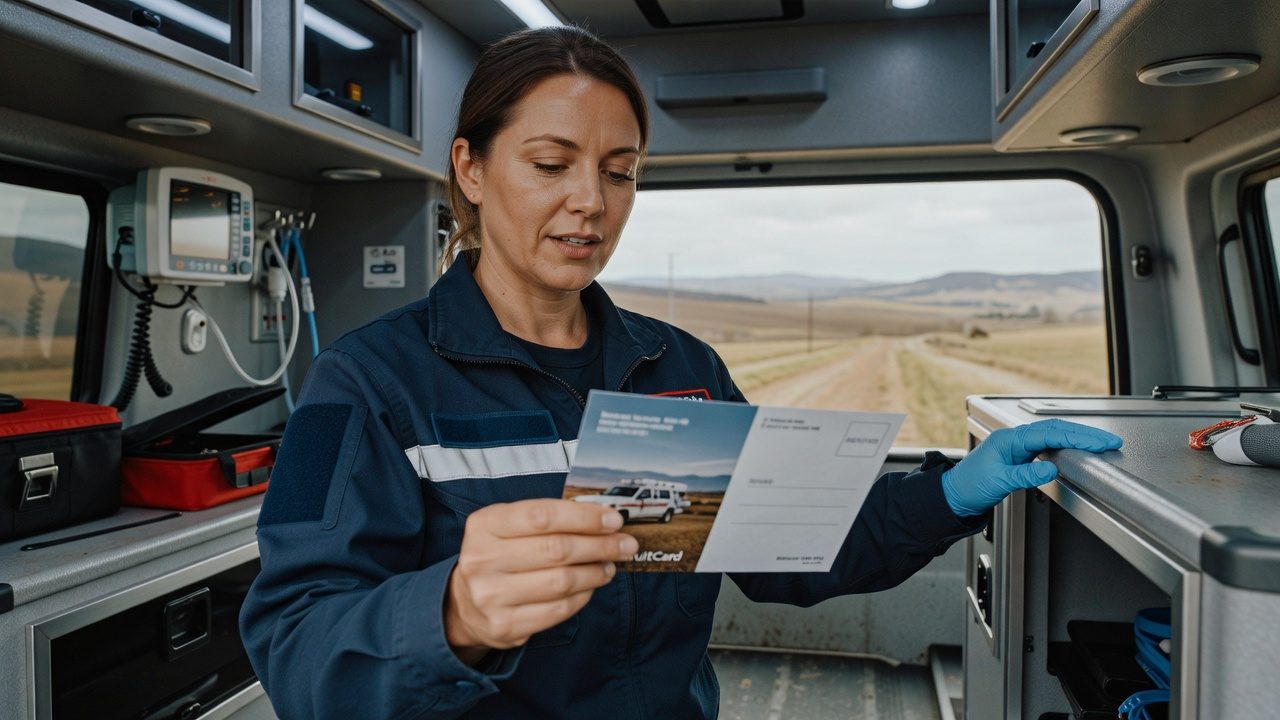
Recruiting EMTs before a new ambulance station opens requires more than posting roles and waiting for active applicants. A targeted direct mail campaign can introduce the opportunity to qualified, already-employed EMTs and paramedics in the station’s service area, then direct them to one clear next step before opening day. This guide is for EMS hiring teams that need to build awareness and a workable candidate pipeline before the station is fully operational.
Who This Guide Is For
This approach is relevant if you are planning staffing for a new ambulance station, an expanded service area, or a new EMS operation. It is designed for:
- Hospital systems, ambulance providers, municipalities, and emergency medical services organizations opening a station or expanding coverage.
- Hiring teams recruiting EMTs, paramedics, and related emergency medical personnel for a defined service area.
- Recruitment marketing agencies that need a managed direct mail channel for an EMS hiring campaign.
It is especially useful when you need to make candidates aware of a role, location, shift pattern, or opening plan that they cannot easily discover through a routine job search.
Why Start EMT Recruiting Before the Station Opens?
A new station may need a complete crew plan before the building, vehicles, or operating schedule are fully visible to candidates. If you wait until opening day to begin outreach, recruiting, onboarding, scheduling, and credentialing activity can all converge at once.
Starting earlier gives prospective EMTs and paramedics time to evaluate details that affect their decision, including:
- The station location and service area.
- Available shifts and employment types.
- Required EMT or paramedic credentials.
- Compensation and benefit information you choose to share.
- The employer, team structure, and potential career path.
- How and when to take the next step.
Early outreach also builds awareness among qualified professionals who are not actively searching for EMT jobs. They may be employed, focused on their current schedule, and unlikely to encounter a new-station posting at the moment it is published.
Why Job Boards Alone May Miss the EMTs You Want
Job boards are useful for reaching people who are actively searching or ready to respond to an open posting. But many qualified EMTs and paramedics are already working and may not be checking listings regularly. That creates a structural limitation: the candidates you most want to reach may not be in the active applicant pool.
Paid search can reach people who express relevant search intent, but it may not consistently put a new local opportunity in front of passive candidates within a defined service area. Direct mail adds an outbound channel. It can place a personalized message about the station opening in front of a targeted audience at home.
Direct mail does not need to replace job boards, referrals, career pages, or recruiting events. It can complement those channels by creating awareness before a candidate begins an active search.
Define the EMT Hiring Audience Before Designing the Campaign
Start with the actual staffing need. A broad message to a broad audience makes it harder for a recipient to understand whether the role fits their credentials, commute, or schedule.
Set the role and location criteria
Clarify the role requirements before creative work begins:
- Required EMT level and any paramedic requirements.
- Shift needs, including nights, weekends, or rotating schedules.
- Full-time, part-time, per-diem, or other employment arrangements.
- The station location, service area, or set of markets to cover.
- Whether the campaign supports one station, several stations, or a broader rollout.
Use role-based targeting, not a generic mailing profile
RecruitCard structures the audience around license type, specialty or trade, and geography. This is different from a generic demographic mailing list. The goal is to align the outreach with the EMT or paramedic hiring need and the geographic area you specify.
For a hard-to-fill shift or service area, include enough operational detail for a recipient to decide quickly whether the opportunity is relevant. A candidate should not have to scan a card just to learn the city, credential level, or basic shift expectation.
Build the Message Around the New Station
The strongest pre-opening message answers a practical question: what is opening, where is it, and why should an EMT or paramedic look closer?
Your card and landing page can explain:
- That a new ambulance station or expanded EMS service is opening.
- The location or service area.
- The EMT and paramedic roles being considered.
- Relevant shift, team, credential, and start-expectation details.
- The next action, such as applying, registering for an event, or speaking with a recruiter.
Employer branding matters here. Use a recognizable logo, identity, and concise description of the organization so the opportunity feels credible before the recipient takes action.
If you are hosting a hiring event, station open house, or information session, that event can become the central message and primary action. If individual positions are still being finalized, a pipeline message can invite qualified EMTs to express interest and receive updates about the opening.
The Four Parts of an Effective EMT Recruitment Card
A recruitment card has limited space. It should make the opportunity understandable at a glance and make the next step easy.
1. Personalized name
Address the recipient by their actual first name rather than using a generic greeting. Personalization helps the card read as relevant outreach rather than broad, untargeted advertising.
2. Specialty-specific message
Speak directly to EMT or paramedic experience and the service being staffed. For example, the message may identify a new station, a defined service area, the credential needed, and a particular schedule need.
3. Credible employer branding
Include the organization’s logo and identity, along with a short explanation of the new-station opportunity. Candidates should be able to recognize who is hiring and why the outreach matters.
4. One clear action
Use a QR code and short URL that lead to one focused destination: a role page, application, recruiter conversation, event registration, or interest form. Avoid competing calls to action that ask the recipient to choose among several unrelated paths.
Choose the Right Call to Action Before the Mail Goes Out
Decide what response matters most before designing the card. One primary action keeps the campaign clear and makes response measurement more useful.
For a direct hiring campaign, the action might be to:
- View the EMT or paramedic role.
- Submit an application.
- Request a conversation with a recruiter.
- Register for a station open house or hiring event.
For an awareness campaign, the action might be to join an EMT candidate pipeline or request details about the station opening. In either case, make the landing page mobile-friendly. Many recipients will scan the QR code from their phone.
The landing page should match the card. If the card promotes a new station in a particular location for a particular credential, the destination should repeat those details and present the promised next step without detours.
Use Direct Mail for More Than One Open Position
A new ambulance station may need multiple EMT or paramedic hires across shifts and employment types. The same direct mail model can support more than one requisition when the audience and message are planned around the differences that matter.
- Promote a hiring event, station open house, or information session.
- Build pre-opening awareness for a new service or station.
- Create a longer-term candidate pipeline for later vacancies.
- Use separate audiences or creative versions where credentials, shifts, stations, or markets differ.
- Support one market, multiple locations, or a nationwide rollout where appropriate.
For example, a campaign may use different card versions when a new station needs EMT coverage on one shift and paramedic coverage on another. The message can remain consistent with the employer brand while making each recipient’s likely fit clearer.
How RecruitCard Manages the Campaign
RecruitCard manages an end-to-end direct mail recruiting campaign rather than handing over a list for your team to manage alone. For EMS hiring, the audience is structured around license type, specialty or trade, and geography.
The managed service includes:
- Audience targeting.
- Card design with your employer branding.
- Personalization using the recipient’s first name.
- Printing, postage, and delivery.
- A QR code and focused landing-page response path.
- Response tracking through QR scans and landing-page traffic.
RecruitCard can support employers directly. Recruitment marketing agencies can also use the service as a white-label direct mail channel without building their own print, postage, delivery, and response-tracking operation.
How to Measure an EMT Pre-Opening Campaign
Mail recruiting does not have to be untracked. A campaign can use QR scans and landing-page traffic as indicators of engagement with the mailed piece.
Build measurement around the action your campaign asks a recipient to take:
- Track QR scans from the card.
- Review campaign-related landing-page traffic.
- Monitor completed interest forms, applications, event registrations, or other defined landing-page actions.
- When the campaign structure supports it, compare activity by audience, location, credential, shift, or creative version.
- Connect response activity with your recruiting and hiring records for deeper evaluation.
A scan or visit is an engagement signal, not a hiring outcome by itself. Your team can use the defined response path and its recruiting records to understand what happens after interest is expressed.
When This Approach Is a Good Fit
Targeted direct mail is worth considering when the station opening involves a defined hiring need that may not close through normal inbound channels alone. It can be a good fit when:
- The new station has a specific service area and EMT or paramedic staffing requirement.
- The qualified local pool is limited or many suitable candidates are already employed.
- You need to create awareness before the station, a hiring event, or a new service is fully operational.
- You want a managed campaign rather than a mailing-list handoff.
- You are an agency that wants to offer a targeted mail channel under your own brand.
Planning Questions to Answer Before Launch
Answering these questions upfront makes the campaign more specific and gives candidates a clearer reason to respond.
- Which EMT or paramedic credentials are required for each role?
- Which station locations, shifts, and service areas should the campaign cover?
- Is the primary goal an application, recruiter conversation, event registration, or pipeline growth?
- What can you share about the station, employer, schedule, and opening plans?
- Which landing page and response events will be tracked?
- Will one card serve every location, or should the message be adapted by station or market?
Discuss Your New Station Campaign
If you are planning EMT or paramedic staffing for a new station, begin with the service area, required credentials, campaign goal, and the response path you want candidates to take. From there, the audience and message can be structured around the opening you are planning.
Book a 15-minute call to discuss your new station campaign.
Frequently Asked Questions
Can you target EMTs in the area around one new ambulance station?
Yes. A campaign can be structured around license type, specialty or trade, and geography, tying the audience to the station’s recruiting need rather than a generic mailing profile.
Can the campaign promote an EMT hiring event or station open house?
Yes. A hiring event, open house, or information session can be the card’s single clear call to action, with recipients directed to a focused landing page for registration or additional details.
Can this reach EMTs who are already employed?
The approach is designed to reach passive candidates who may not be actively searching job boards or responding to paid search. It gives qualified professionals another way to discover the opportunity.
How are campaign responses measured?
QR scans and landing-page traffic provide trackable engagement indicators. The landing page can then direct candidates to an application, interest form, recruiter conversation, or event registration.
Can RecruitCard support multiple ambulance stations or a nationwide rollout?
Yes. RecruitCard supports single-market and nationwide campaigns, with targeting and messaging structured around the locations and hiring requirements you provide.
Enjoyed this? There's more from RecruitCard.
Book a 15-minute call →