The Structural Gap Between Digital Ad Targeting and State Professional License Records

Digital advertising platforms target users based on consumer interest modeling and online browsing behavior, which often misidentifies or misses specific licensed professionals. Direct recruitment mailings built from state professional license records target candidates based on verified credentials, exact license types, specialty credentials, and physical practice geography.
- Digital ad networks rely on inferred online habits rather than verified state licensure data.
- State license records provide direct access to active practitioners across specific geographic areas.
- Reaching candidates at home bypasses noisy job board feeds and crowded digital inboxes.
- Response tracking through unique QR codes provides clear candidate engagement metrics.
How Digital Ad Targeting Models Professional Interest
Digital ad platforms estimate candidate qualifications using algorithmic inferences, search histories, and social media activities. These interest models group users together based on the pages they visit or the keywords they search. A major limitation of this approach is that digital platforms cannot check whether a user holds an active state medical or nursing license. As a result, ad budgets are often spent showing job postings to students, retired workers, career changers, or adjacent healthcare staff who lack the credentials required for the role. Furthermore, gainfully employed professionals who are not actively searching for work rarely click on recruitment ads or visit job boards, making them functionally invisible to digital ad platforms.
Why State Professional License Records Provide Exact Audience Precision
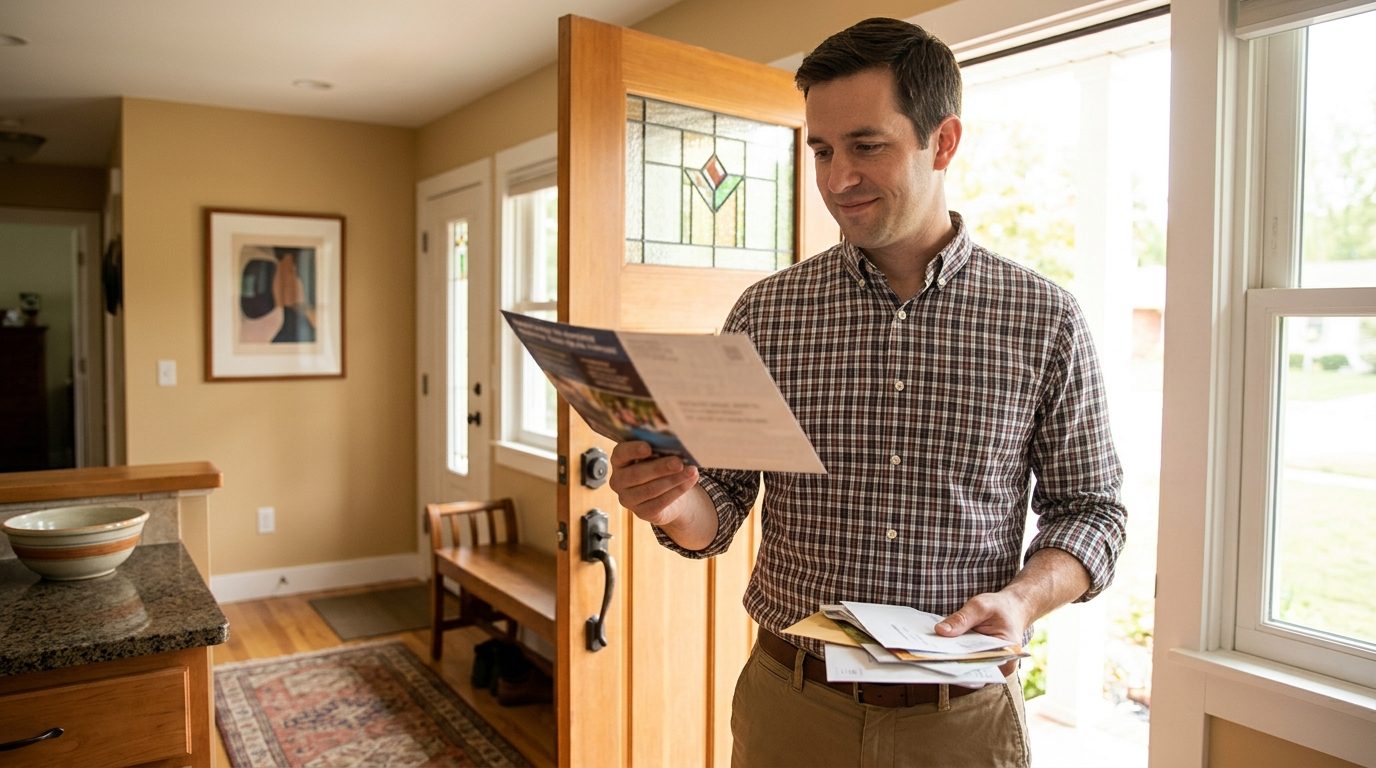
State professional license records establish verified credentials based on license type, active status, subspecialty designation, and physical practice geography. Targeting candidates through official licensing records ensures that every recipient possesses the required credential to perform the job. Instead of relying on whether a nurse or physician recently searched for a job online, license records identify the qualified candidate pool in a specific geographic area. Delivering a physical mailing directly to a candidate's home address creates a quiet environment for them to review your employer brand away from noisy digital feeds and crowded email inboxes.
The Repercussions for Hard-to-Fill Healthcare Requisitions
Relying entirely on digital ad channels for hard-to-fill healthcare requisitions leads to wasted ad spend on unqualified clicks from uncredentialed individuals. Specialized hospital units such as the intensive care unit, operating room, or overnight shifts require verified credentials and specialized experience rather than generic professional interest. When a critical position remains open for months, digital campaigns often retarget the same small group of active job seekers who have already passed on the position. Reaching passive candidates through targeted physical mail opens a direct channel to gainfully employed professionals who are open to new opportunities when presented with a compelling employer brand story.
Evaluating Campaign Delivery and Measurable Candidate Response
Direct recruitment mail campaigns pair physical personalized postcards with digital response tracking using unique QR codes and dedicated landing pages. Every candidate who receives a postcard can quickly scan the QR code on their smartphone to reach a specialized landing page created specifically for their license type and unit specialty. Talent acquisition teams can track candidate scans and landing page visits in real time without relying on opaque impression estimates from ad networks. This clear line of sight allows recruiters to measure exact campaign engagement and evaluate candidate response accurately.
Plan Your Targeted Direct Mail Campaign with RecruitCard
RecruitCard manages your end-to-end recruitment mailings from license and specialty targeting through postcard design, printing, delivery, and scan tracking. Each personalized mail piece features your employer brand alongside the recipient's first name, a specialty-focused message, and a clear call to action. Whether you need to fill a single difficult shift or launch a nationwide hiring initiative, targeted direct mail reaches passive licensed candidates directly at home. Book a 15-minute call with our team to review your targeting needs and start building your custom candidate audience.
Frequently Asked Questions About License Data and Recruitment Targeting
How does targeting by state license record differ from buying a generic mailing list?
Targeting by state license record isolates active credentials, license types, and verified practice locations rather than broad consumer demographics or unverified mailing lists.
Can direct recruitment mail target specific medical specialties like ICU or ED nursing?
Yes, campaigns can target specific specialties, practice focus areas, and geographic locations to match your precise requisition needs.
How do talent acquisition teams measure engagement from direct recruitment mailers?
Engagement is measured directly through QR code scans and custom landing page traffic, providing clear reporting on candidate actions.
Does direct mail recruiting work for nationwide talent searches or regional facility rollouts?
Yes, direct mail campaigns can be structured for a single local zip code, a multi-county region, or a nationwide candidate rollout.
Sources and Recommended Reading
For additional perspective on healthcare recruitment strategies and licensing frameworks, consult these industry resources:
Enjoyed this? There's more from RecruitCard.
Book a 15-minute call →