Why license records reach employed professionals that job boards never see?

License records identify professionals who hold specific credentials and work in defined areas even when they are not seeking new roles. Job boards only record activity from people who choose to search and apply.
- License files exist whether or not someone is job hunting.
- Job boards only see people who create accounts or apply.
- Audience matching uses license type, specialty, and geography, not a generic list.
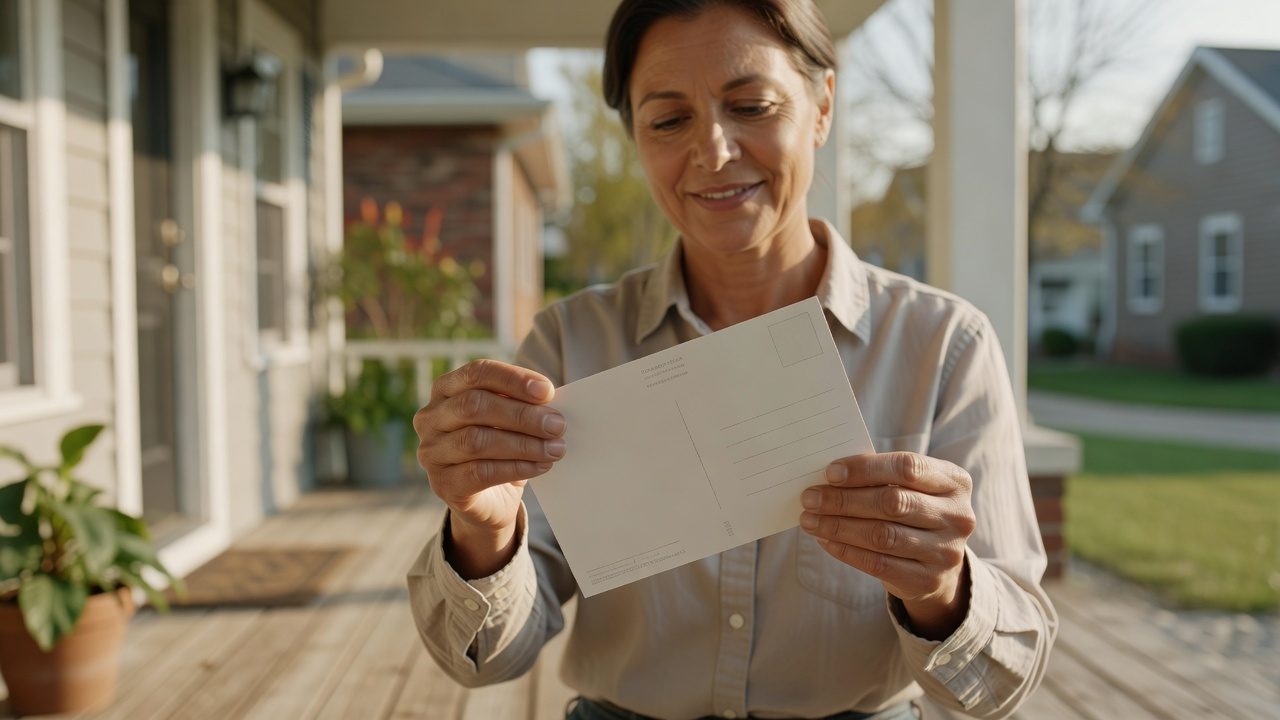
- A mail piece can carry a first name, a specialty message, employer brand, and one action.
- Response can be counted through QR scans and landing-page traffic.
License data exists outside job search activity
Public license records cover holders of a given credential in a chosen geography, independent of job-search behavior.
Those records do not depend on whether the person visits a job site or updates a profile. They exist because the state (or another licensing body) tracks who may legally practice. Employers can therefore reach nurses, therapists, pharmacists, and other licensed staff who remain fully employed and have no reason to browse openings.
That is a structural difference, not a marketing slogan. Job-seeker databases grow only when people opt in. License coverage is about who is allowed to work in the role, not who is currently looking.
Job boards only see active searchers
A job board receives data only when someone creates an account or submits applications.
Professionals who are satisfied in their current positions have no reason to appear in those systems. They are not clicking ads, refreshing filters, or uploading resumes. The result is a pool limited to the share of candidates already in motion, which is a poor match for units and sites that stay open because the local licensed pool is small and already working.
If your requisition needs an ICU nurse, a night shift LPN, a rural physical therapist, or another niche credential, posting in the same digital channels as every other employer still only talks to people who showed up to look. The employed majority never enters that funnel.
Targeting combines license type, specialty, and location
Audience selection matches exact credentials (for example RN with ICU focus in a specific state) rather than a purchased demographic list.
The same match can focus on night shift roles or rural facilities that remain open for a long time. Precision targeting by license type, specialty, and geography is the opposite of a mass mailing. RecruitCard runs a managed campaign: audience targeting, card design, printing, postage, delivery, and response tracking.
Each card is built around four parts: the recipient's actual first name, a specialty-specific message, credible employer branding, and one clear next step (a QR code plus a short URL). That format is meant for roles that will not close through normal channels, and for related uses such as hiring events, apprenticeship awareness, and pipeline building before the next vacancy opens. The same model can cover a single market or a nationwide rollout. Agencies can offer the channel white-label without standing up print and postage themselves.
If you have a licensed role that is not closing on job boards, book a 15-minute call to talk through license type, specialty, and geography targeting.
FAQ
How do you know who is licensed?
The audience is built from license, specialty, and geography matching.
How do we measure results?
Response is tracked through QR scans and landing-page traffic.
Can we mail nationwide?
The model supports both single-market and nationwide rollouts.
Do you handle design and printing?
The service covers targeting, creative, print, postage, delivery, and tracking.
Sources
Enjoyed this? There's more from RecruitCard.
Book a 15-minute call →