Why Retargeting Cannot Fix an Audience That Never Visited
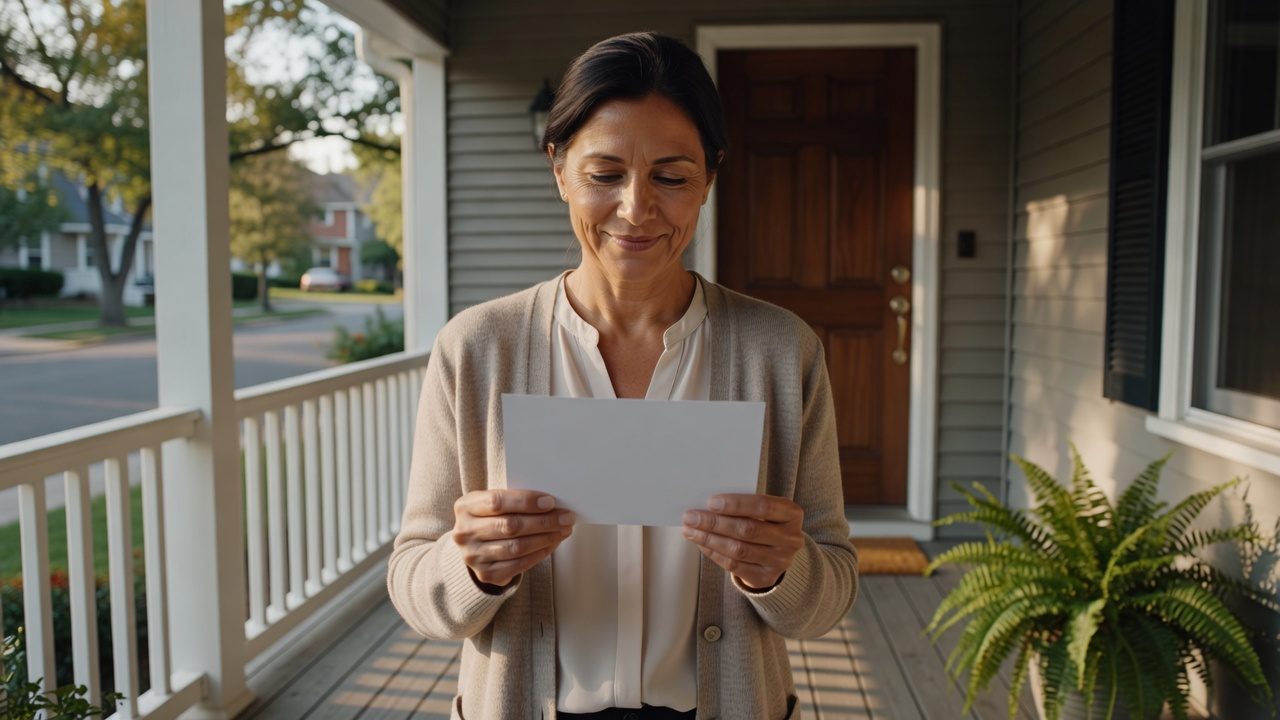
Retargeting cannot reach licensed healthcare professionals who never visited your site, clicked an ad, or engaged with your content. For hospital and health system recruiting teams trying to reach passive candidates, the first task is to create an initial touch with a defined audience, such as RNs in a particular specialty and geography. Targeted direct mail can create that first touch, then give digital follow-up an engaged audience to work with.
Who this approach is for
This approach is for hospital and health system HR and talent acquisition teams hiring for roles that are difficult to fill through their usual channels. Common examples include ICU, ED, OR, L&D, oncology, case management, and night shift positions.
It can also fit healthcare employers facing a small pool of qualified, already-employed professionals who are not actively responding to job boards or paid search. Recruitment marketing agencies can use the same model when they want to add a managed direct mail channel for healthcare clients without taking on print, postage, or tracking operations themselves.
Retargeting starts with a prior visit
Retargeting is a form of digital follow-up. In plain language, it means showing ads to people who previously visited a website or interacted with a digital property, such as a landing page or campaign advertisement.
That follow-up depends on a prerequisite: the person must first enter a trackable audience through a visit, click, or another permitted interaction. Retargeting can reinforce interest after that initial contact. It cannot create an audience of people who have never encountered your employer, careers site, or campaign.
This is not a weakness in digital advertising. It is a practical limit of a tactic built to follow up with people who have already engaged.
Why passive licensed candidates are easy to miss digitally
Job boards and paid search help reach people who are actively looking, comparing positions, or clicking on hiring messages. Those are valuable audiences. But an already-employed nurse, therapist, or other licensed professional may not be searching at all.
That person may still consider the right opportunity if it fits a preferred specialty, schedule, location, facility, or employer. If they never search for a job and never see the initial message, they cannot visit your careers page. Without that visit, they also cannot enter a retargeting audience.
For a role that will not close through standard channels, including a night shift, rural site, or niche specialty, the issue may be initial reach. Qualified people may exist in the market but remain unaware of the opportunity.
The audience problem behind a small retargeting campaign
A small retargeting audience does not always mean the creative or follow-up message is the problem. It may mean too few relevant people had an opportunity to engage in the first place.
Consider an employer hiring experienced ICU night shift nurses in a defined market. The hospital can retarget visitors to its careers page, but that audience contains only people who already found and visited the page. Qualified ICU nurses who never visited are not available for follow-up through that campaign.
If the initial audience is mostly active job seekers, the digital campaign may miss the passive professionals the employer most wants to introduce to the role. The question becomes how to create a relevant first touch outside the usual active-search path.
How targeted direct mail creates the first touch
Targeted direct mail is an initial outreach method for a defined audience. It is not the same as purchasing a generic mailing list and sending a broad hiring message.
RecruitCard plans audiences around license type, specialty, and geography matching. A campaign may be designed for RNs with an ICU focus in a selected market, or for PT professionals near a rural facility. The message can introduce a specific role, employer, facility, hiring event, apprenticeship, or future opportunity to people who may not be actively searching.
The goal of that first touch is straightforward: put a relevant opportunity in front of people who otherwise may never have encountered it.
The four elements that make a first touch useful
A mail piece needs to quickly explain why the recipient is receiving it and what they can do next. RecruitCard cards are built around four core elements.
Personalized recipient name
When included in campaign personalization, the card uses the recipient's actual first name. A named message is more direct than a broad, anonymous hiring announcement.
Specialty specific message
The copy should speak to the actual hiring need. For example, a message can address ICU experience, an OR opening, a night shift schedule, a local facility, or a hiring event. It should not rely on a vague statement that an organization is hiring.
Credible employer branding
The card should make the organization and opportunity recognizable. Employer branding helps recipients understand who is reaching out and why the opportunity may be relevant to them.
One clear action
A QR code and short URL direct recipients to the intended landing page or next step. That action may be learning more, applying, registering for an event, or expressing interest in future opportunities.
What happens after the first touch
The landing page gives interested recipients a place to learn about the opportunity and take the next step. QR scans and landing page traffic provide measurable signals from the mail campaign.
When someone engages with the landing page or related campaign experience, digital follow-up may then support that engagement, subject to the tracking and advertising setup in use. Not every mailed recipient becomes part of a retargeting audience. The purpose of direct mail is to create an opportunity for engagement that did not previously exist.
Direct mail and digital channels have different roles
Direct mail is not a replacement for every digital recruiting channel. Job boards and paid search can capture active demand from people who are already looking. Targeted direct mail can introduce a relevant opportunity to passive candidates who may not be searching.
Direct mail is worth considering when:
- The qualified pool is small and defined by license, specialty, and geography.
- A role has remained open despite normal recruiting activity.
- The position requires precision, such as ICU nights, OR, oncology, case management, or a rural PT role.
- You need awareness for an event, program, facility, or opportunity that candidates are unlikely to search for on their own.
The response path still matters. Give recipients a clear landing page, application route, event registration form, or contact option so they can act without friction.
Use cases beyond one open requisition
A defined-audience mail campaign can support more than a single requisition. Common uses include:
- Hard-to-fill specialty and unit hiring, including ICU nights, OR, oncology, and case management.
- Continuous local hiring for CNAs, HHAs, caregivers, and other high-volume roles.
- Hiring events and open houses that need awareness before the event date.
- Apprenticeship and training program awareness for opportunities candidates may not know to search for.
- Long-term pipeline building before the next vacancy opens.
- Multi-location and nationwide recruiting rollouts built around defined targeting criteria.
What a managed RecruitCard campaign includes
RecruitCard manages the campaign from audience definition through response tracking. The service includes:
- Audience targeting by license type, specialty, and geography.
- Card design that combines employer branding, recipient personalization, a specialty-specific message, and one clear call to action.
- Printing, postage, and delivery.
- QR code and landing page response tracking through scans and landing page traffic.
- Support for a single market or a nationwide rollout.
- A white-label option for recruitment marketing agencies that want to offer the channel under their own brand.
If you have a defined hiring need and want to discuss whether this type of first touch fits, Book a 15-minute call.
How to decide whether this approach fits
Start with a specific hiring need, not a broad goal to hire more people. Define the role, license type, specialty, and geography. Then identify the action you want a recipient to take.
This approach may fit when the qualified local pool is small, a role has been open for an extended period, or the people you most want to reach are likely already employed. It can also fit when you need to build awareness before an event, new facility opening, or future hiring need.
Before creative work begins, clarify whether the next step is applying, registering for an event, learning about a facility, or joining a future candidate pipeline. Plan how you will review QR scans and landing page traffic after delivery. These signals help show whether the campaign created engagement, without assuming a particular response rate or hiring outcome.
Frequently asked questions
Can retargeting reach people who never visited our careers page?
Not through retargeting alone. A person generally needs a prior interaction that places them in the relevant digital audience. A separate first touch, such as targeted direct mail, can introduce the opportunity and direct interested recipients to a landing page.
Is targeted direct mail the same as buying a generic mailing list?
No. The RecruitCard model is built around matching an audience by license type, specialty, and geography rather than sending a broad demographic mailing.
Can we target a specialty such as ICU or OR instead of only targeting RNs?
Yes. A campaign can be planned around license type, specialty, and geography. This allows the message to address a defined hiring need rather than a general nursing audience.
How do we measure whether the mail campaign created engagement?
QR scans and landing page traffic provide measurable signals. The landing page can also present the intended next step, such as applying, registering, or learning more.
Can this support a nationwide campaign?
Yes. RecruitCard supports both single-market and nationwide rollouts using the campaign's defined license, specialty, and geography criteria.
Enjoyed this? There's more from RecruitCard.
Book a 15-minute call →