
How to Recruit Construction Engineers Without Targeting Software Engineers
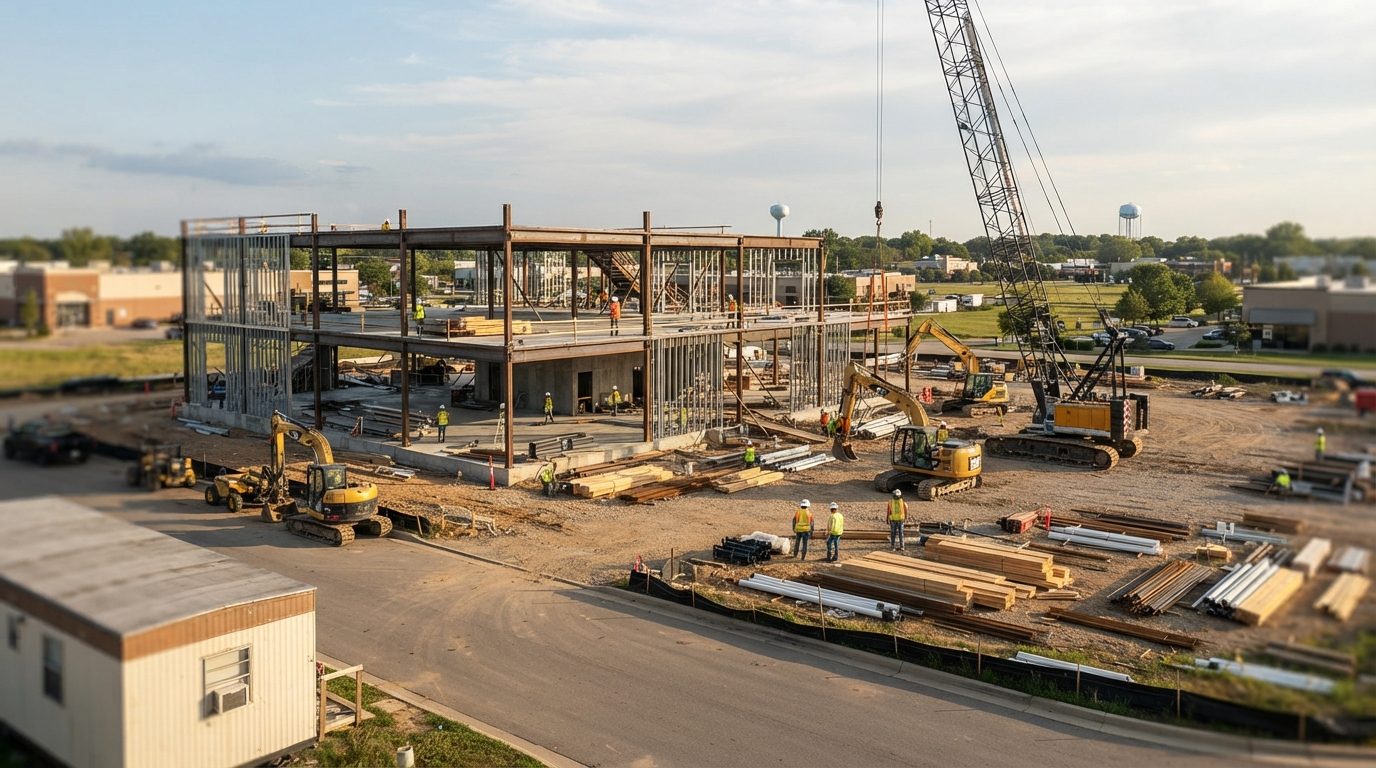
To recruit construction engineers without attracting software engineers, define the audience by construction-related specialty, credentials or trade, and geography—not by the broad word “engineer.” RecruitCard can manage a targeted direct-mail campaign from audience selection through creative, printing, delivery, and QR-code response tracking.
Who This Article Is For
This guide is for construction firms, infrastructure contractors, engineering employers, and recruitment marketing agencies that need to reach construction-focused engineering candidates.
It is most useful when you are hiring for a specific role, project, location, or difficult-to-reach candidate pool. The goal is not to reach a broad engineering audience. It is to put a relevant opportunity in front of people whose specialty aligns with the work.
The Short Answer: Target the Work, Not the Word “Engineer”
“Engineer” is too broad to serve as the main definition of a construction recruiting audience. Used alone, it can encompass people in software, data, electronics, and many other technical fields that have little connection to construction projects, infrastructure, field operations, or project delivery.
Instead, define the campaign around the work you need done:
- The construction-related specialty or discipline
- A relevant trade, credential, or license or certification where applicable
- The geographic area tied to the project, office, jobsite, or search area
- The role context, such as field engineering, infrastructure delivery, civil-focused work, or project engineering
This approach gives both the audience and the message a clearer purpose. It also reduces the chance that a construction opportunity is presented as a vague opening for “engineers.”
Why Broad Engineering Recruitment Misses the Mark
Broad job postings and broad digital audience settings can draw attention from candidates whose experience does not fit construction work. A general engineering audience may include people focused on software, data, electronics, or other specialties unrelated to the role you need to fill.
That mismatch can happen before a candidate ever applies. A broad headline, generic landing page, or nonspecific audience definition makes it harder for construction-focused candidates to recognize that the role is relevant to them.
There is also an attention problem. Qualified candidates may already be employed and may not be actively browsing job boards or searching for a new role. Job boards and paid search depend on active browsing or search behavior. A targeted direct-mail piece introduces the opportunity directly to a selected recipient at home.
Define the Construction Engineering Audience Before You Mail
Start with the actual hiring need, not the broad department name. The audience definition should reflect the role and work environment candidates will encounter.
Begin with the role
Use the employer-approved title and clarify what it means in practice. Depending on your needs, that may be a project engineer, construction engineer, civil-focused role, field engineering position, infrastructure role, or another defined role.
Add a meaningful qualification signal
Then add the specialty, trade, credential, or experience signal that separates the intended audience from an unrelated engineering population. License or certification requirements vary by role and jurisdiction, so they should be used where applicable rather than assumed for every construction engineering occupation.
Set the geography around the work
Geography may be built around a project, office, jobsite, commuting area, relocation opportunity, or a broader national search. The right scope depends on the role and your hiring plan.
Separate distinct hiring needs
If you are hiring across several locations, do not assume one audience and one message fit every opening. Separate audiences and messages when the worksite, project type, candidate profile, or location differs.
What Precision Targeting Means in Practice
RecruitCard targets by license type, trade or specialty, and geography rather than relying on a generic demographic audience or simply handing over a purchased list. The criteria are built around the specific hiring need.
For example, a campaign might be defined for a construction-focused engineering audience in a particular project region. Another campaign could support a nationwide search for a specialized infrastructure role. In each case, the useful question is not “How do we reach engineers?” It is “Which construction-related candidates are relevant to this work, and where should we reach them?”
Audience criteria should be confirmed against the role and applicable jurisdictional requirements. Where a license or certification is relevant, it should be considered as part of that role-specific definition. RecruitCard does not treat “engineer” as a sufficient audience category by itself.
Build the Card Around One Construction Role
A card should make one hiring message easy to understand. A general statement such as “we are hiring engineers” asks the recipient to guess whether the opportunity is relevant. A role-specific message gives them a reason to learn more.
RecruitCard’s card format centers on four components:
- Personalized name: The recipient’s actual first name.
- Specialty-specific message: Copy that identifies the construction or infrastructure role and work context.
- Credible employer branding: Your employer brand, presented clearly on the card.
- One clear action: A QR code and short URL leading to the campaign landing page.
The card can identify the construction or infrastructure work, location, employer brand, and a clear reason for a qualified person to learn more. Only include compensation, project details, licensing requirements, relocation support, or other employment details when your organization has approved them for the campaign.
How to Avoid Software-Engineering Spillover
Software-engineering spillover is not solved by the audience definition alone. The creative and landing page need the same level of specificity.
- Use construction-specific language in the headline, body copy, landing page, and audience criteria.
- Reference the relevant project type, field environment, construction discipline, or delivery responsibility when accurate.
- State the location or worksite context when it helps a recipient assess fit.
- Avoid leading with broad phrases such as “join our engineering team” without explaining the work.
- Review the landing-page copy as carefully as the mailed card. Precise targeting can still be diluted by generic creative.
For example, a message about a field-based infrastructure role communicates a different opportunity than a general invitation to join an engineering department. Specificity helps the right person self-identify while making the message less relevant to unrelated technical specialties.
Direct Mail Versus Job Boards and Paid Search
Direct mail is not a replacement for every digital recruiting channel. It is an additional channel for specific, difficult-to-fill construction roles, especially when the relevant candidate pool may be already employed.
Job boards and paid search generally rely on a person actively browsing openings or searching for terms related to a job change. A physical card can introduce a relevant role directly to a targeted recipient who is not currently doing either.
This makes direct mail useful alongside your existing recruiting activity when a posting is not closing, the local pool is specialized, or you need to create awareness for an opportunity that candidates are unlikely to search for on their own.
How RecruitCard Handles the Campaign
RecruitCard provides a managed direct-mail recruiting campaign rather than only a mailing-list handoff.
Audience targeting
The campaign begins by defining the construction-related license type, trade or specialty, and geography that fit the hiring need.
Creative
RecruitCard develops employer-branded artwork that includes the recipient’s first name and one clear call to action.
Production and delivery
RecruitCard manages printing, postage, and delivery as part of the campaign.
Response tracking
QR scans and landing-page traffic provide a way to monitor engagement with the campaign.
Rollout options
A campaign can support a single market or a broader nationwide rollout, depending on the role, geography, and hiring plan.
How to Measure Interest Without Guessing
A direct-mail campaign can be measured through the actions connected to the card. The QR code directs recipients to a campaign landing page, allowing you to monitor QR scans and landing-page traffic.
The landing page should lead to a next step that fits your recruiting process, such as:
- Applying for the role
- Expressing interest
- Requesting more information
- Registering for a hiring event
These measures show campaign activity. Review them alongside your own application, recruiting, and hiring data to understand how the campaign fits into the full recruitment process.
When This Approach Fits a Construction Employer
Targeted direct mail may be a fit when:
- A specific construction or infrastructure requisition has stayed open despite normal recruiting activity.
- The qualified candidate pool is specialized, geographically limited, or likely to include already-employed professionals.
- You need awareness for a project, hiring event, relocation opportunity, apprenticeship, or future candidate pipeline.
- You want a repeatable outreach channel across multiple locations or for a nationwide search.
It is particularly useful when the issue is not a lack of visibility among all engineers, but a need to reach the right construction-focused candidates.
Option for Recruitment Marketing Agencies
Recruitment marketing agencies can offer targeted direct mail without building an internal operation for audience targeting, creative, printing, postage, delivery, and QR tracking.
RecruitCard also offers a white-label option for agencies that want the campaign presented under their own brand. The focus is operational support: defining the audience, producing the card, managing delivery, and providing campaign engagement tracking.
Questions to Answer Before Launch
A clear brief helps keep the audience and creative aligned. Before launching, answer these questions:
- Which construction-related role, specialty, trade, or credential are you hiring for?
- Where must candidates live, work, or be willing to relocate?
- Is the campaign for one requisition, several locations, a hiring event, or a longer-term pipeline?
- What employer-brand elements and role details should appear on the card?
- Where should a recipient land after scanning the QR code?
- Which internal recruiting actions will follow a scan or landing-page visit?
The answers create a practical connection between targeting, message, landing page, and recruiter follow-up.
Make the Audience as Specific as the Job
Avoiding software-engineering spillover begins with a precise definition of the role, construction-related specialty, and geography. The more clearly the campaign reflects the actual work, the less it depends on the overly broad word “engineer.”
RecruitCard manages the end-to-end campaign: targeted audience selection, personalized employer-branded creative, printing, postage, delivery, and QR-code and landing-page response tracking. The model is designed to help you introduce relevant construction opportunities to passive candidates who may not be actively searching online.
Book a 15-minute call to discuss the role, audience, and geography you need to reach.
Enjoyed this? There's more from RecruitCard.
Book a 15-minute call →