Why Certified Technical Professionals Require Personalized Recruitment Messaging

Certified technical professionals are more likely to consider a recruitment message when it demonstrates an understanding of their certification, specialty, work environment, and career context. For engineering and skilled trade employers, personalized direct mail can make a more relevant first impression than a generic message built for a broad applicant audience.
- Generic recruiting emails often describe an opening without showing why it fits the recipient's technical background.
- Many certified professionals are already employed and may not be actively using job boards or responding to recruitment advertising.
- A relevant message can identify the professional area, technical setting, location, and reason to explore the opportunity.
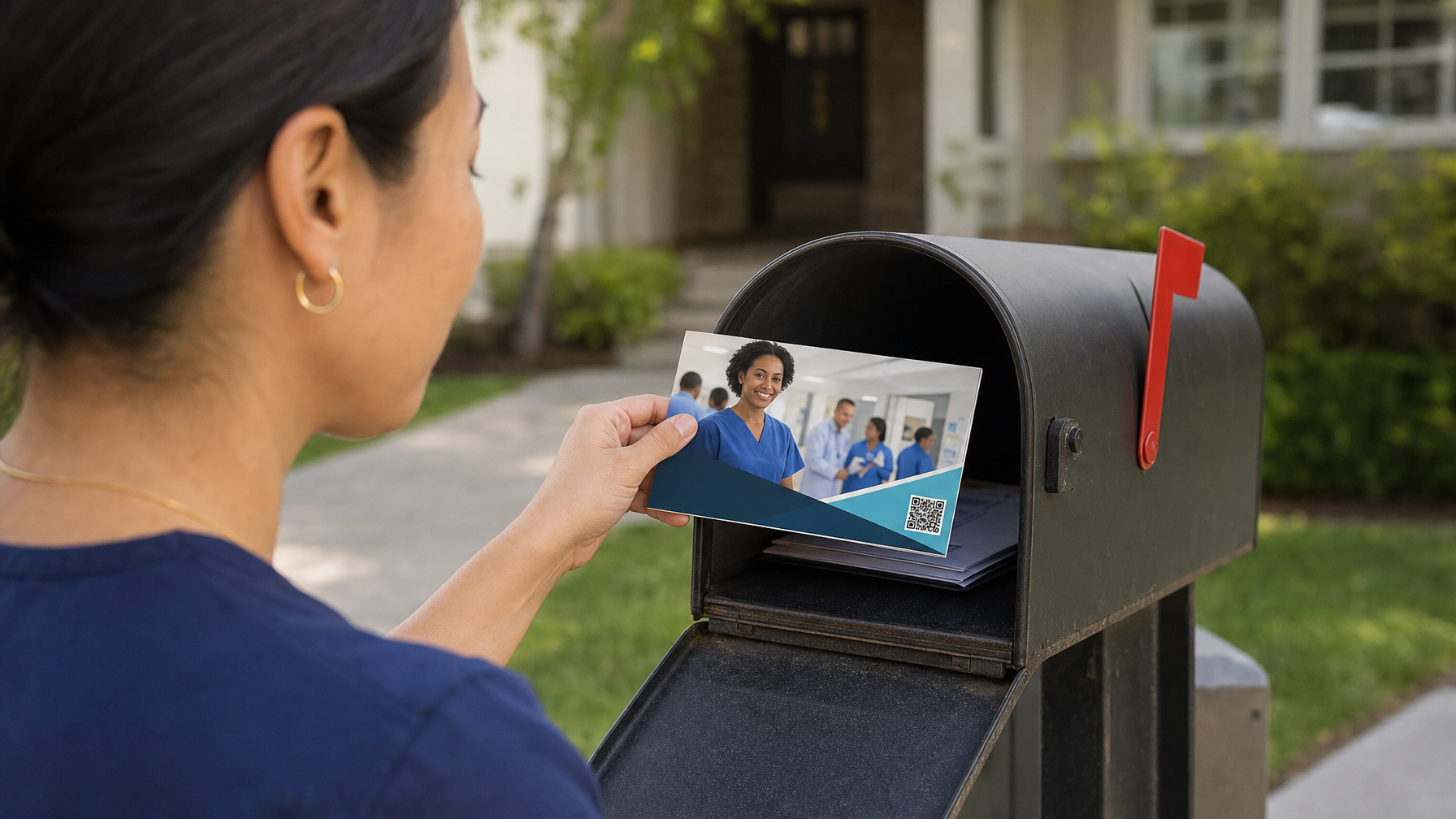
- A direct mail card can combine a personalized first name, employer branding, a specialty specific message, and one clear response action.
- RecruitCard manages audience matching by trade, specialty, and geography, plus design, printing, delivery, and response tracking.
Why generic recruiting messages fall short with certified technical professionals
Generic messages make a specialized opportunity look like a broad recruiting campaign. A standard template may use a general job title, familiar benefits language, and a broad invitation to apply, but it may not explain why the role is relevant to someone with a defined technical background.
This does not mean every certified professional rejects automated email. It means the message has less context to earn attention when it could apply to nearly anyone.
A practical difference in message quality
A general message might say that an employer has an open technician position and invites the recipient to apply. A more relevant message can identify the technical focus, work environment, location, and the specific reason the employer is seeking professionals in that trade or specialty.
For example, an employer seeking a certified maintenance professional for a defined service area can focus on the equipment, setting, and location of the role. That is more useful than treating every technician as part of one broad audience.
Certified professionals need relevance before they need more details
Relevance helps the recipient decide whether an opportunity deserves attention. Personalized recruitment messaging is communication shaped around the recipient's professional area and the employer's actual hiring need.
Useful details may include the trade or certification area, specialty, geography, work setting, schedule, advancement context, and a clear next step. The goal is not to make assumptions about a person's preferences, current employer, or employment status. The goal is to present enough accurate context for the recipient to decide whether to learn more.
Keep the message concise
A mail piece is not a full job description. It should state what the opportunity is, who it is meant for, why the work may be relevant, and what to do next. Additional details can live on the landing page reached through the QR code or short URL.
Why passive technical candidates can be difficult to reach digitally
Digital recruiting channels primarily compete for attention among people who are already searching, browsing, or responding online. An employed certified professional may not be visiting job boards, searching for openings, or clicking recruitment ads at the time your role is available.
Direct mail is an additional channel for reaching a defined audience outside the usual online job search process. It does not guarantee attention or engagement. It does give the employer a way to present a focused message at home rather than relying solely on active online search behavior.
This can be especially relevant for hard to fill engineering and skilled trade roles where the qualified local audience is limited and already employed professionals are important to the search.
What personalized direct mail adds to the recruitment message
Personalized direct mail gives a specialized hiring message a physical format that can be designed around the recipient and the opportunity. A well planned card makes the employer's purpose clear without asking the recipient to sort through a long generic email.
The four core card elements
- Personalized first name: The card addresses the recipient by their actual first name.
- Specialty specific message: The copy connects the opportunity to the relevant trade, certification area, or technical focus.
- Credible employer branding: The employer's brand helps the recipient understand who is reaching out.
- One clear action: A QR code and short URL direct the recipient to one focused next step.
The card should reflect the trade, certification, geography, and hiring objective. It can frame the role as a professional opportunity with a clear context, rather than simply another vacancy notice.
How to make the message feel professional instead of promotional
A professional recruitment message respects the recipient's expertise and makes the opportunity easy to evaluate. Lead with the work itself when the employer has approved details about the technical environment, responsibilities, equipment, project context, or service setting.
Explain why the employer is contacting this audience. Avoid vague phrases that could apply to any role. A recipient should be able to see the connection between their professional area and the opportunity quickly.
Use one clear next step
The response action might be reviewing the role, learning about the employer, or registering for a hiring event. Keep that action singular and visible. Crowded layouts, generic slogans, several competing calls to action, and unsupported claims about compensation or advancement can make the message harder to assess.
What RecruitCard handles in a technical recruitment campaign
RecruitCard manages the campaign from audience targeting through response tracking. The service is a managed direct mail recruiting campaign, not a generic mailing list handoff.
- Audience matching by license type, trade or specialty, and geography
- Card design using your employer brand and a personalized recipient name
- Printing, postage, and delivery coordination
- A QR code and landing page connection for response tracking
Campaigns can support a specific requisition, a hiring event, apprenticeship awareness, or a longer term candidate pipeline. RecruitCard can support single market and nationwide rollouts through campaign planning. Recruitment marketing agencies can also use a white label option when they want to offer direct mail without managing print, postage, and response tracking internally.
How to measure whether the message earned attention
QR scans and landing page traffic provide observable indicators of campaign response. The QR code should send recipients to a focused landing page that continues the message introduced on the card.
Track scans and landing page traffic as campaign signals, then evaluate downstream hiring activity separately. A landing page that matches the audience and call to action is generally more useful than sending recipients to a general careers page where they must search for the relevant opportunity.
When personalized technical recruitment messaging is a good fit
Personalized mail is worth considering when the hiring need depends on reaching a defined, specialized audience. It can be a useful option when a role has not closed through normal channels, when the qualified local audience is small, or when the employer needs to reach professionals who may already be working.
- A specialized engineering role tied to a defined geography
- A certified maintenance position with a specific technical setting
- A skilled trade opening that needs attention from a limited local audience
- An upcoming hiring event for a defined professional group
- An apprenticeship or training program that potential candidates may not yet know about
- A pipeline effort before the next vacancy opens
Not every role needs direct mail. The same campaign model can support one opening or broader awareness when the audience and message are clearly defined. RecruitCard's deepest stated expertise is licensed healthcare hiring. Engineering and skilled trade campaigns use the same targeting and managed campaign model.
Common questions about personalized recruitment mail
Most questions concern audience selection, campaign execution, measurement, and the difference between targeted mail and a generic list.
How is this different from sending automated recruiting emails?
The message is delivered through a physical channel and can be personalized around trade, specialty, geography, employer brand, and one clear action. It is designed as an additional way to reach professionals beyond the online channels used by active job seekers.
Can you target a specific certification or trade?
RecruitCard builds the audience through license, trade or specialty, and geographic matching. This creates a more defined audience than a broad demographic mailing approach.
Can you reach people who are already employed?
The campaign is designed to reach passive professionals who may not be actively searching on job boards or through paid search. Whether an individual responds remains their choice.
Can the card include our logo and employer brand?
Yes. Employer branding is part of the managed card design, alongside the personalized recipient name, specialty specific message, and response action.
How do we know whether people responded?
QR scans and landing page traffic provide measurable campaign signals. The landing page should be aligned with the card's message and next step.
Can this support an apprenticeship or hiring event?
Yes. The same model can promote an event, build awareness for an apprenticeship or training program, or support a longer term pipeline in addition to a single open role.
Take the next step with a focused recruitment message
A focused campaign starts with a defined audience, a specific technical hiring need, and one clear action. Before planning the message, identify the trade or specialty, target geography, hiring objective, employer brand requirements, and the action you want recipients to take.
Plan your technical recruitment message: Share the professional audience you need to reach, the work context that matters, and the next step you want the card to support. Book a 15-minute call
Sources
Enjoyed this? There's more from RecruitCard.
Book a 15-minute call →