How Do Rural EMS Agencies Build Awareness for Open Paramedic Positions
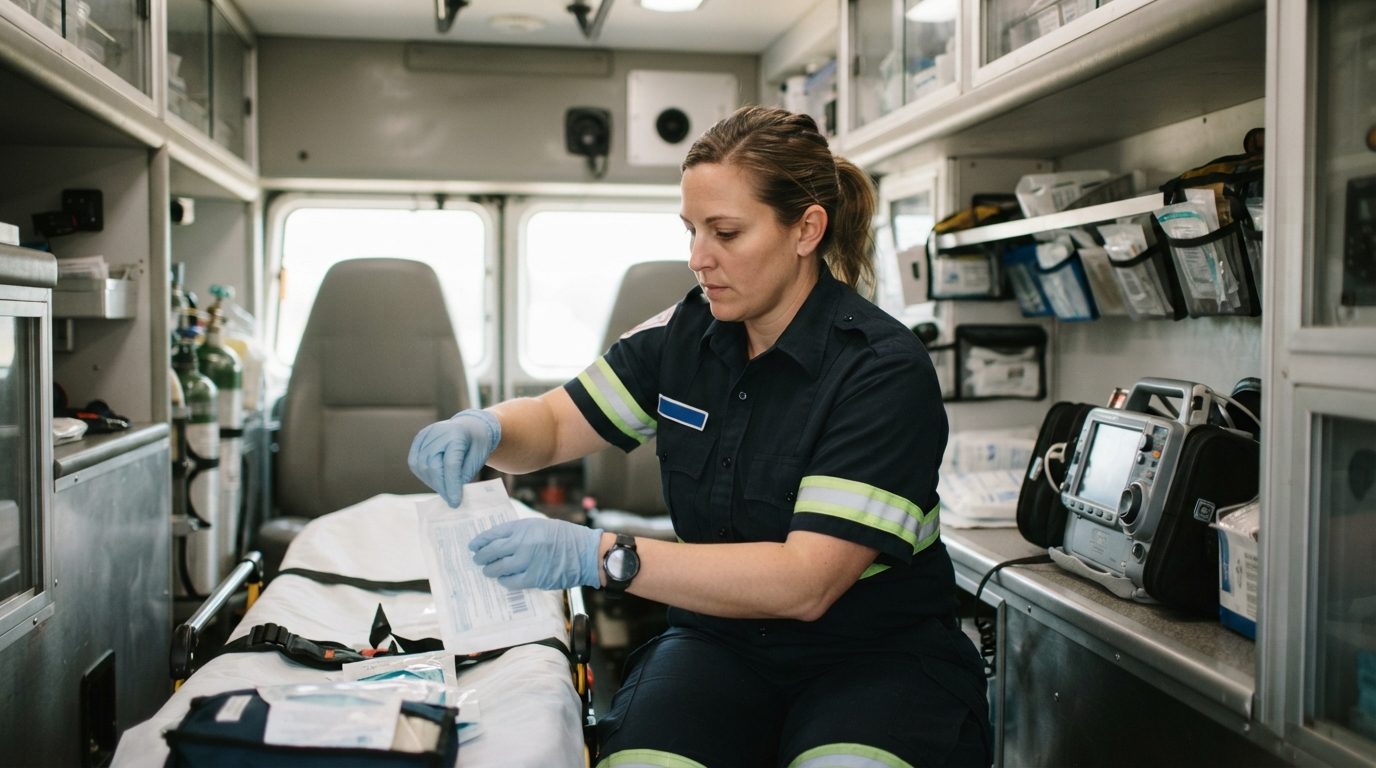
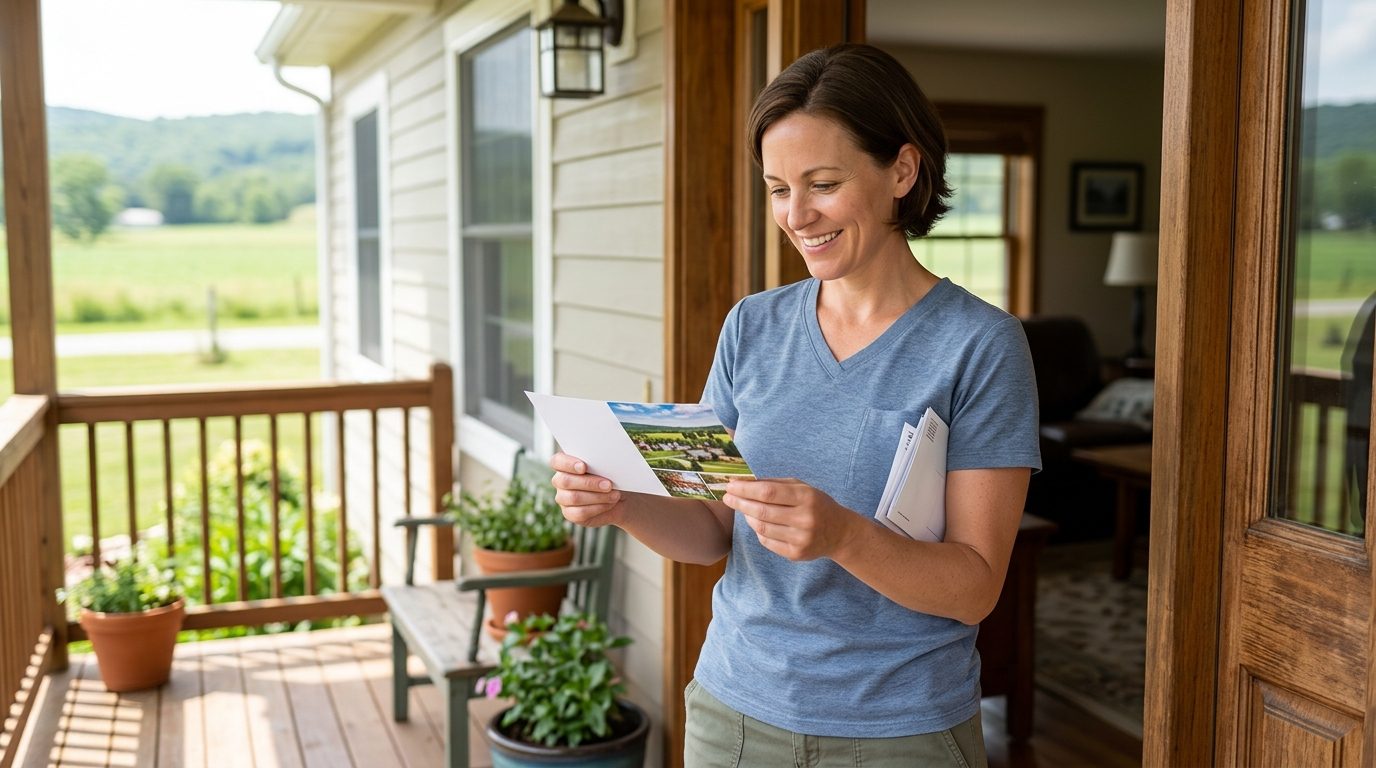
Rural EMS agencies reach passive paramedic candidates who are already employed and outside major metro digital reach by sending direct mail targeted to paramedic license type and specific rural geography. You can put a named, branded card in the home of licensed paramedics in the counties you serve instead of waiting for them to search a job board.
- Target by paramedic license type plus the counties or zip codes your agency covers.
- Reach already employed professionals who are not browsing job boards.
- Use a personalized card with one clear action (QR code and short URL).
- Measure interest through QR scans and landing page visits.
- Run one rural market or several locations in one coordinated rollout.
The Passive Candidate Challenge for Rural EMS Roles
Many qualified paramedics already work elsewhere and do not search job boards for a new opening in a rural service area. Digital ads and postings often miss people in low population density regions because those channels mainly reach active searchers in denser media markets. A license matched mailing places the opportunity in front of the right people at home, where there is less competition for attention than a posting or paid search ad.
This matters when the local qualified pool is small, already employed, and structurally invisible to the same job board spend you already use. Direct mail recruiting is not a generic purchased list. It is precision targeting by license type, specialty, and geography so the piece goes only to certified professionals you actually need.
How License Type and Geography Targeting Works
Audience selection matches the paramedic license requirement plus the exact counties or zip codes your agency serves. That keeps the mailing on certified professionals in the needed service area instead of a broad demographic file. The same method supports a single rural market or multiple locations in one coordinated rollout, including nationwide campaigns when you need candidates who might relocate.
What you define before the audience is built
You name the license (paramedic), the specialty or role story if it is more specific than a generic EMS posting, and the geography (stations, counties, or a wider radius if relocation is realistic). RecruitCard then builds the audience from license, specialty, and geography matching. We do not describe data sourcing beyond that matching.
Single market or multi location
You can keep the audience tight around one remote station or expand it across several rural counties in the same campaign. Agencies that need continuous coverage for high turnover local roles can repeat the model as a pipeline, not only as a one time mailing for a single requisition.
What the Mail Piece Includes
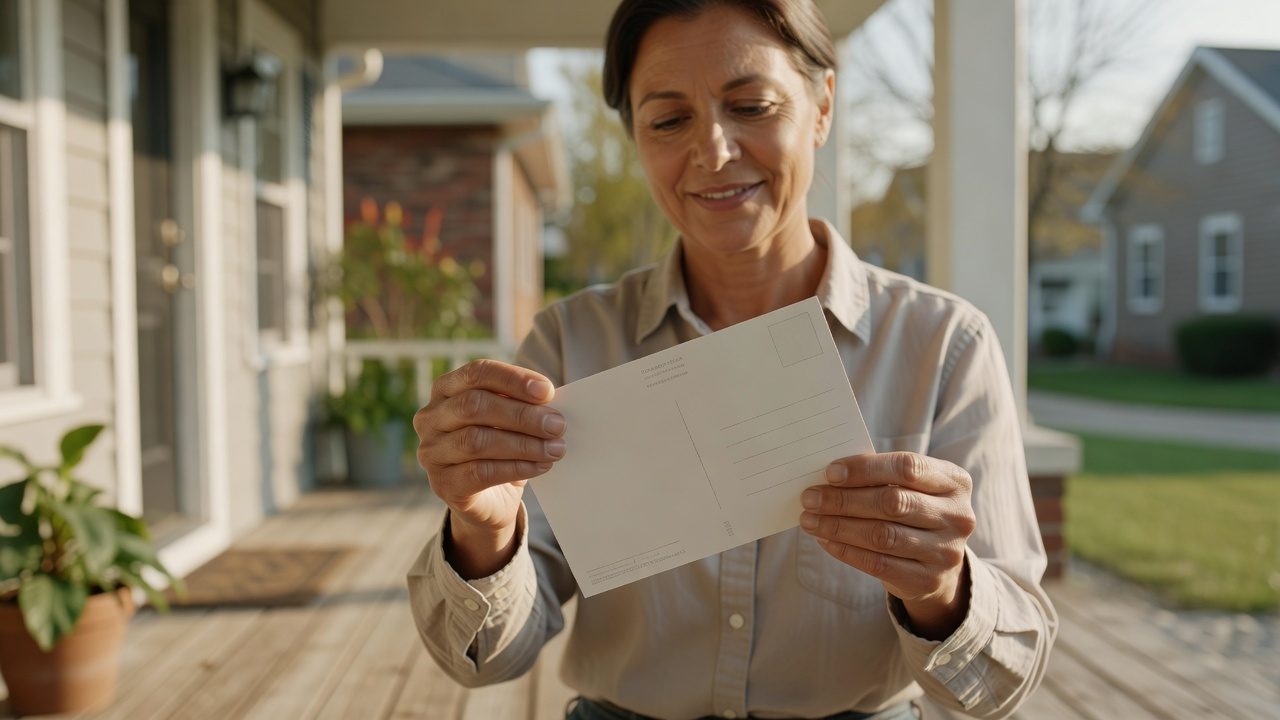
Each card uses four parts: the recipient first name, a message tied to the paramedic role, credible employer branding, and one clear action such as a QR code plus a short URL. The design keeps the next step simple so a busy clinician knows what to do without extra effort. Response tracking happens through QR scans and landing page visits so you can see which areas produced interest.
Ready to talk through a rural paramedic audience? Book a 15-minute call to review license type, geography, and the card message for your open positions.
Name, message, brand, action
Personalization uses the recipient actual first name. The copy should speak to rural EMS work, the unit or station, and why the role is worth a look, not a recycled job description. Your logo and employer brand belong on the card. One call to action (scan or visit) is enough.
Where a scan should land
After someone scans, they should reach a page that matches the card: the agency, the paramedic role or event, and a way to apply or register. Tracking reports the scans and landing page traffic the campaign produced. You do not have to guess whether mail generated activity.
When This Approach Fits Rural EMS Needs
This approach fits roles that stay open because the local qualified pool is small and already working. It also fits ongoing pipeline building, awareness of training or apprenticeship style programs, and hiring events candidates would not otherwise discover. RecruitCard is a managed, end to end campaign: targeting, card design, printing, postage, delivery, and QR and landing page tracking, not a list handoff.
It is a strong fit when a requisition will not close through normal channels, when you need licensed professionals who are not active job seekers, and when you want less reliance on the same shrinking digital shortlist. Deepest expertise at RecruitCard is licensed healthcare hiring. The same targeting model can extend to other licensed or certified roles when that is how you hire.
FAQ
How do you know who holds a paramedic license?
The audience is built from license and specialty matching within the geography you choose. Targeting is by license type, trade or specialty, and location, not a generic demographic list.
How are results measured?
QR code scans and landing page visits show the activity the mailing generated. That is how you see interest by the campaign, without inventing a response rate.
Can the campaign cover multiple rural counties at once?
Yes. The same targeting approach supports a single market or a multi location rollout, including nationwide when relocation is part of the plan.
Do you handle the full process?
Yes. Targeting, card design with your employer brand and the recipient first name, printing, postage, delivery, and response tracking are all included.
Is this only for one open paramedic seat?
No. The same model works for specific open positions, continuous local hiring, hiring events, and long term pipeline or training program awareness.
Sources
Enjoyed this? There's more from RecruitCard.
Book a 15-minute call →