Using Direct Mail to Introduce a New Home Care Service or Caregiver Program

Direct mail can help home care agencies introduce a new service, caregiver program, or hiring initiative to a precisely defined audience. It is especially useful when you need to build awareness among caregivers and other licensed or certified professionals who are already employed and may not be actively searching online. This guide is for home care employers, healthcare organizations, and recruitment marketing agencies planning a targeted outreach campaign.
Why Direct Mail Fits New Home Care Programs
A new home care service or caregiver program can be hard to discover through job boards and paid search. Those channels primarily reach people who are already looking for a job, service, or program. A caregiver who is employed may not see your posting. A family or referral source may not know a new care offering exists.
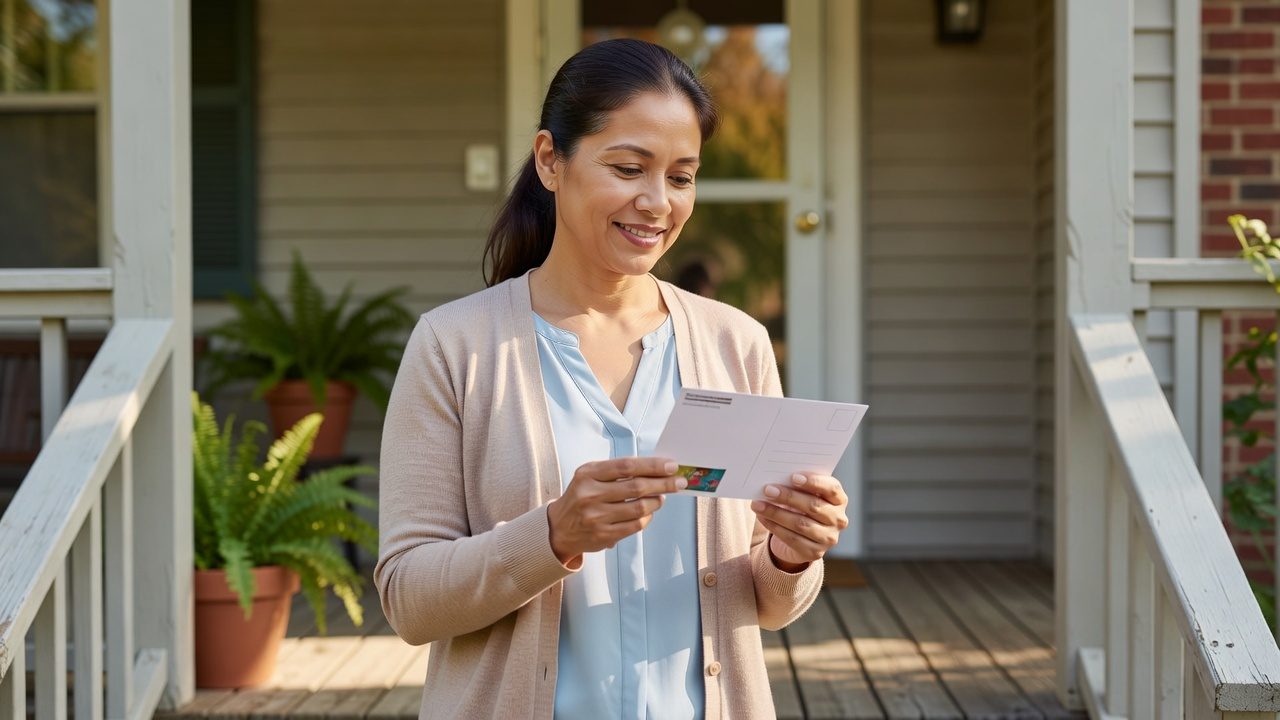
A physical mail piece gives you a direct way to introduce an unfamiliar service, training opportunity, hiring need, or event. It can explain the opportunity in plain language and point the recipient to one next step.
This is not the same as sending to a generic mailing list. RecruitCard campaigns are planned around relevant license type, specialty, trade or certification, and geography. For a caregiver recruitment campaign, the audience should reflect the role and service area you need to support.
Direct mail is also useful beyond a single open requisition. You can use it to build awareness before an expansion, introduce a caregiver development program, invite people to an information session, or develop a longer-term talent pipeline.
What You Can Promote With a Home Care Mail Campaign
The campaign objective should shape the audience, message, landing page, and call to action. Common uses include the following.
New home care services
Use a card to introduce expanded in-home support or a newly available care offering. Explain who the service is for, what problem it is meant to address, and where readers can learn more or request information.
Caregiver recruitment
A campaign can promote open caregiver roles for CNAs, HHAs, and other relevant professionals within a defined service area. This approach can be helpful when a local candidate pool is limited or when normal recruiting channels are not closing the role.
Training, apprenticeship, and development programs
Some opportunities cannot be found through a typical job search because prospective participants do not know the program exists. A targeted mailer can introduce a caregiver training, apprenticeship, or professional development program and direct recipients to program information.
Hiring events and open houses
Mail can invite qualified professionals to a hiring event, open house, information session, or program introduction. The card should make the event purpose and next action clear, such as registering or viewing event details.
Long-term caregiver pipeline building
If your organization hires for recurring, high-volume, or high-turnover caregiver roles, an outreach campaign can help create awareness before hiring pressure becomes urgent. A lower-pressure message can invite interested professionals to learn about future opportunities or join an interest list.
How to Define the Audience
Start with the purpose of the campaign. A client awareness campaign and a caregiver recruitment campaign may require different audiences and different calls to action.
For caregiver recruitment
Define the professional audience as specifically as the role allows. Consider the relevant license type, certification, specialty or care background, and geography. For example, a campaign for an ongoing local caregiver need should focus on the market where you need candidates, rather than using a broad demographic audience.
For ongoing local hiring
Home care employers often need a continuing flow of candidates for caregiver roles. In that case, the audience can be planned around the local service area and the professional background that matches the work.
For broader awareness
If you are introducing a program across several locations or supporting a wider expansion, the campaign can be structured for multiple markets or a nationwide rollout. RecruitCard supports both single-market and nationwide campaigns.
The central idea is precision. The audience is built around the role, specialty, certification or trade, and location. It is not a generic demographic mailing.
The Four Parts of an Effective Home Care Mailer
A mail piece has limited space. It should introduce the opportunity clearly without trying to include every operational detail. RecruitCard plans cards around four core components.
1. Personalized name
Where appropriate, address the recipient by their actual first name. Personalization helps make the message feel intended for the reader rather than broadly distributed.
2. Specialty-specific message
Connect the offer to the recipient's caregiver role, license type, certification, or professional background. A message for a CNA or HHA should not read like a generic hiring statement for every healthcare worker.
3. Credible employer branding
Include your organization name, recognizable brand elements, relevant service context, and a concise reason to consider the opportunity. The message should help the reader understand who is reaching out and why.
4. One clear action
Give the recipient one primary next step. A QR code and short URL can lead to the intended landing page, whether that page is for an application, program overview, event registration, service inquiry, or talent pipeline.
The card should make the next step obvious. Its job is to introduce the opportunity and encourage action, not to answer every possible question in the mail piece itself.
Message Examples for Different Campaign Goals
The strongest message depends on what you are introducing. These examples show the information a card should prioritize, not finalized copy for a specific campaign.
New home care service
State the service in plain language, identify the people it is designed to help, and direct readers to learn more or request information. Keep the service description focused on the audience's likely question: what is available, who is it for, and what should I do next?
Caregiver recruitment
Lead with the type of caregiver needed and the relevant service area. Then provide a concise reason the reader may want to explore the role. The landing page can provide the fuller job details.
Caregiver program
Describe the program's purpose, who it may be intended for, and the next step to learn more. Avoid including eligibility requirements or program details that have not been confirmed for the campaign.
Hiring event
Include the event purpose, location or access instructions, and one action for registration or additional information. A QR code can take recipients directly to the event page.
Pipeline building
Use a lower-pressure invitation for professionals who may not be ready to apply today. For example, the message can invite them to learn about future caregiver opportunities or join an interest list.
How RecruitCard Manages the Campaign
RecruitCard manages the direct mail campaign from planning through response tracking. The process includes audience targeting, card design, employer branding, personalization, printing, postage, delivery, and QR code and landing-page response tracking.
That means your team does not need to coordinate separate vendors for the mailing operation. You provide the campaign objective, role or program context, and brand direction. The campaign is then structured around the intended audience and one clear action.
RecruitCard's deepest expertise is licensed healthcare hiring, including home care roles such as CNAs and HHAs. The same campaign model can support service awareness, caregiver programs, events, and longer-term pipeline goals.
Recruitment marketing agencies can also offer this channel through a white-label arrangement, without building an internal print, postage, or response-tracking operation. Planning details, including scope and timing, can be discussed before launch.
How to Measure Awareness and Response
Direct mail recruiting and awareness campaigns do not have to rely on anecdotal feedback alone. QR scans and landing-page traffic provide measurable signals that recipients engaged with the campaign.
- QR scans show engagement with the code printed on the mail piece.
- Landing-page traffic helps show whether the mailer is driving visits to the intended service, program, hiring, or event page.
- Next-step actions can include learning more, registering for an event, applying, requesting information, or joining a talent pipeline.
It is important to separate awareness signals from downstream hiring outcomes. A scan or landing-page visit shows that someone engaged with the campaign. Your team can use its own application, registration, inquiry, or hiring process to track what happens after that visit.
This creates a more practical view of campaign activity than guessing whether the mailer generated interest.
When This Approach Is a Good Fit
A targeted home care mail campaign may be a good fit when:
- Your organization is introducing a new home care service or expanding into a new market.
- You need a continuing supply of caregivers for high-volume or high-turnover roles.
- A caregiver or licensed-professional requisition has remained open through normal channels.
- The qualified local pool is small and many potential candidates are already employed.
- You want to promote a hiring event, training program, apprenticeship, or future opportunity that candidates cannot easily search for.
- You are a recruitment marketing agency that wants to add a managed direct mail channel under your own brand.
Direct mail is particularly relevant when the people you want to reach are structurally less visible to job boards and paid search because they are not actively looking.
Planning Questions to Answer Before Launch
A clear campaign brief helps keep the mail piece focused. Before launch, answer these questions:
- What are you introducing: a service, caregiver role, training program, hiring event, or pipeline opportunity?
- Who should receive the message based on license type, specialty, certification, trade, and geography?
- What is the single action you want recipients to take after reading the card?
- What landing page will support the message and answer the recipient's likely questions?
- Which employer brand elements, program details, and contact information should appear on the card?
- Will the campaign support one location, several locations, or a nationwide rollout?
- How will your team follow up with people who scan the QR code or visit the landing page?
Answering these questions early helps align the audience, message, card design, and response plan.
Introduce the Opportunity to the Right Audience
Direct mail can help you introduce a home care service, caregiver program, event, or hiring initiative to a defined audience, including passive professionals who may not encounter the opportunity through job boards or paid search.
If you are considering a campaign, a short planning conversation can help clarify the audience, message, rollout scope, and tracking plan. Book a 15-minute call.
Frequently Asked Questions
Can direct mail promote a caregiver hiring event, not just an open position?
Yes. The same campaign model can introduce a hiring event, open house, training program, apprenticeship, or broader caregiver opportunity. The card should use one clear action that sends recipients to the event or program details.
Can you target CNAs, HHAs, or other caregiver audiences?
Campaign audiences can be defined by relevant license type, specialty, trade, certification, and geography. The final audience should match the role and service area you want to reach.
How do we know whether the campaign generated interest?
QR scans and landing-page traffic provide measurable engagement signals. Your team can then track registrations, inquiries, applications, or other follow-up actions on the destination page.
Do you handle the design, printing, and mailing?
RecruitCard manages the campaign end to end, including audience targeting, card design, personalization, printing, postage, delivery, and response tracking.
Can this support an ongoing caregiver pipeline?
Yes. Direct mail can support a one-time introduction or a longer-term pipeline strategy. The message and audience can be planned around recurring caregiver needs, future vacancies, or continued awareness of the program.
Enjoyed this? There's more from RecruitCard.
Book a 15-minute call →